
Senior couple holding hands and walking in park

Choosing where you are going to retire is something that could make or break your overall retirement experience. To make this decision easier, we’re breaking down exactly why your retirement location matters, as well as why making a move to a premier senior living community in Stamford, Connecticut, could be your best decision yet.

Where You Retire Matters

Do you love to be busy and involved in activities, or do you love to relax and spend time by yourself? Do you enjoy exploring nature, or would you rather be exploring a new restaurant or shop that opened? If you like to be active within the community, you’ll want to choose a place where you’ll have access to the opportunities you desire. If you want to take in the beauty of nature, you won’t want to move to a city without any semblance of nature around.

Knowing yourself and your passions is key to choosing the right location, so consider these points to help you narrow down your options.

Retiring in Stamford, CT

Why is retiring here ideal? For starters, not only is Stamford one of the best places in Connecticut to live, but it offers residents both an urban and suburban feel, with easy access to both the countryside and Long Island Sound. That means you’ll find plenty of things to do in Stamford, CT and the surrounding towns like Greenwich and Darien  – which is why so many are drawn to this area to retire.

Interesting Places To Explore

Are you an explorer at heart? There are tons of interesting sites to see and places to visit in Stamford. Check out some of these top recommendations:

  • Explore Bedford Street in Stamford
  • Take a look at the Stamford Cone, full of beautiful stained glass windows
  • Visit the historic Avon Theatre
  • View the unusually shaped First Presbyterian Church of Stamford

Fun Activities

If you are ready to fill your newfound free time in retirement with fun activities and hobbies, Stamford is a great place to do so.

  • Go shopping at Stamford Town Center
  • Plan to attend Bark in the Park with your furry friend
  • Enjoy seasonal events at Mill River Park
  • Take in Stamford from the water on a sunset boat tour

Take in the Arts

Beauty is all around you in Stamford. Discover all the ways you can immerse yourself in the arts.

  • Catch a show at The Palace Theatre
  • Audition for a show at Curtain Call
  • See a performance by Orchestra Lumos, formerly known as the Stamford Symphony
  • Check out a wide variety of art exhibitions through the Stamford Art Association

The Beauty of Nature

One of the perks of urban and suburban living is access to nature. Enjoy the great outdoors by:

  • Exploring Cove Island Park
  • Bird-watching at the Cove Island Wildlife Sanctuary
  • Visiting The Bartlett Arboretum & Gardens
  • Joining the Stamford Garden Club and tending to the Goodbody Garden
  • Visiting the Mianus River Park and biking along the cycling path

Lifelong Learning

Your pursuit of lifelong learning continues in Stamford. Whether you’re a history buff, a nature lover or a bookworm, the options are endless.

  • Learn about Revolutionary War history at Fort Stamford
  • Visit the Stamford Museum & Nature Center
  • Book it to the Ferguson Library to find your next great read
  • Visit the Stamford History Center

Delicious Dining

There’s something to tickle any foodie’s fancy in Stamford. Beyond the exceptional dining you can experience right here at Waterstone on High Ridge, check out some of our favorite local options.

  • Savor a meal at one of the many restaurants at Harbor Point
  • Grab a drink at Half Full Brewery
  • Get adventurous with various types of cuisine

Discover Why Seniors in Stamford, CT, Love Waterstone on High Ridge

Waterstone on High Ridge, located in Stamford, CT, offers residents the best of both worlds. They can enjoy the privacy of their own apartment while having access to a bustling community just outside their door. Beyond our retirement community, residents enjoy the urban and suburban feel of the local area, as well as all the opportunities it provides.

For more information about Waterstone on High Ridge in Stamford, CT, please visit our website. If you’d like to experience our location for yourself, join us for an upcoming open house or event.

SUPPORT WHEN YOU NEED IT. HOME THE WAY YOU LIKE IT.

Waterstone on High Ridge offers a modern approach to senior living in a beautiful hilltop setting. Come see how we redefine independent living, assisted living and memory care in Fairfield County.
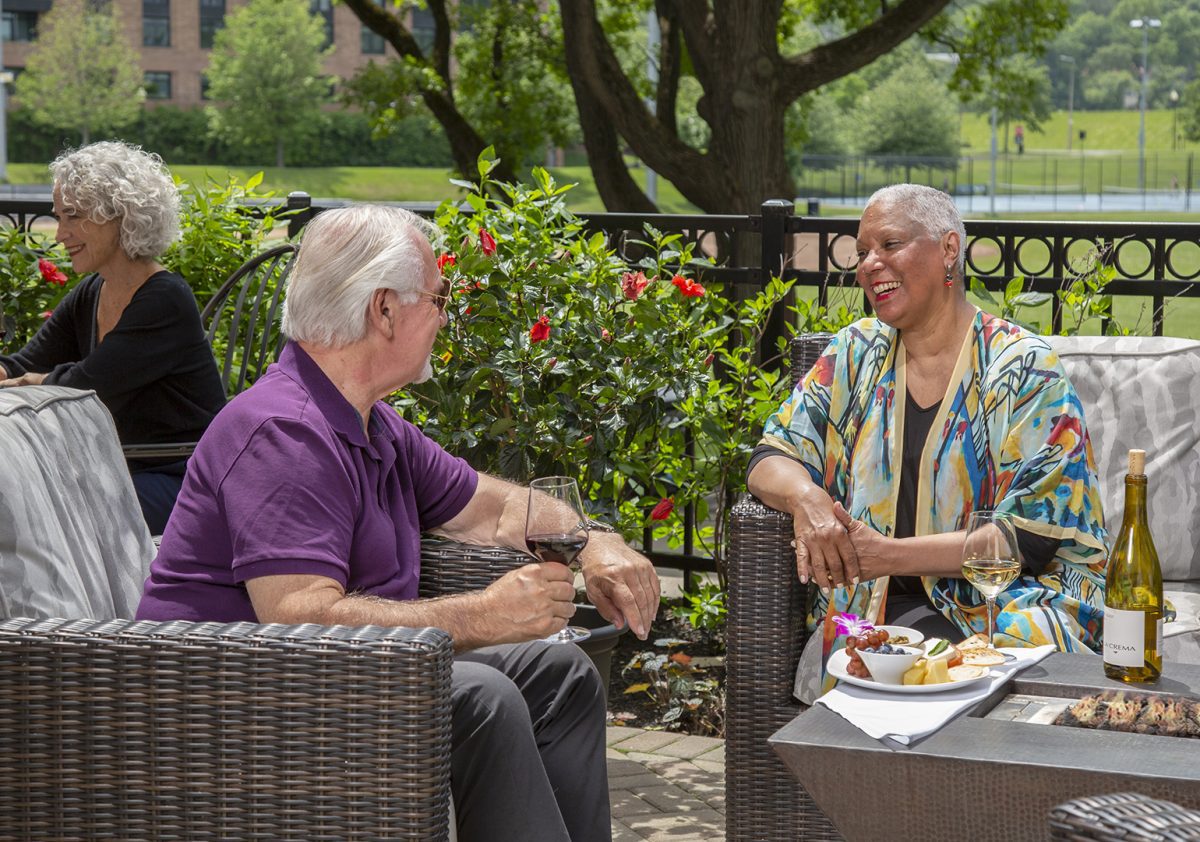

Retiring at a luxury senior living community like Waterstone at the Circle in Boston, Massachusetts, is an exciting experience. It’s made even better by our engaging lifestyle, range of services, and gracious amenities. If you’ve been looking for a retirement community that offers a dynamic lifestyle tailored to your tastes and preferences, look no further than The Circle.

Discover Premier Living at Waterstone at the Circle

At Waterstone at the Circle, you’ll find a community where independent senior living residents thrive. With opportunities to remain active, engaged, and focused on wellness, residents enjoy endless possibilities to embrace life as they choose.

Engaging Programs and Events

Your personal growth and fulfillment are at the top of our priority list. No matter where your passions lie, we provide a range of options to spark your interests.

  • Lecture series and educational seminars
  • Outings and trips
  • Special performances and programs
  • Movies in the theater
  • Art classes
  • Writing and book clubs
  • Friendly competition with a variety of games
  • Social events in the great room
  • Culturally immersive programs

Read more about our programming on our website.

A Prime Location

In our independent living community in Boston – ideally located at the foot of Chestnut Hill – you’re perfectly poised to explore the surrounding community at your leisure. Enjoy convenient access to the MBTA Green Line, peruse Greater Boston’s best shops, delight in the delicious restaurants, and more – whenever you please.

Wellness Opportunities

Residents at Waterstone at the Circle remain as independent and healthy as possible with our range of wellness opportunities supported by professional trainers and a variety amenities.

  • Indoor heated pool
  • Fitness center staffed with fitness and aquatic instructors
  • Exercise classes featuring strength and balance training
  • Tai chi and yoga
  • Hydro Fit and aquatics courses
  • Walks in the park
  • Ping Pong and cornhole games
  • Full-service salon

Gourmet Dining

There’s so much to savor about life at Waterstone at the Circle, and dining is certainly at or near the top of the list. With anytime dining in both formal and casual venues, our expert culinary team crafts a seasonal menu of distinctive meals featuring locally grown and sourced ingredients. Our team caters to individual needs and provides impressive service, making dining at Waterstone at the Circle truly a delight.

Spacious Floor Plans

Residents enjoy the privacy of their gorgeous residences featuring stunning views of the Boston skyline, the Boston College campus, and the Chestnut Hill Reservoir. Bright and stylish, apartments come in a range of sizes, including premium one- and two-bedroom independent living apartment configurations.

Floor plans feature:

  • Abundant natural light
  • Full-size designer kitchen with stainless steel appliances and quartz countertops with glass tile backsplash
  • Well-appointed bathroom with quartz countertops, tile flooring, and walk-in shower
  • A washer and dryer
  • Walk-in closets

Get an inside look at what your new apartment could look like by viewing some of our floor plans on our website.

Carefree, Maintenance-Free Living

Residents at The Circle enjoy freedom from the responsibilities of homeownership along with a variety of perks, including delicious dining, engaging programs, weekly housekeeping services, concierge services, and private chauffeur services. Even better, all this and more is covered in your inclusive monthly rent.

Supportive Senior Care Services

Those at Waterstone at the Circle have access to in-home supportive care services, if or when they are needed, no matter whether they’re part of our independent living community or require assisted living supportive care.

Our supportive care services offer access to personalized support with daily activities as needed, physical, occupational and speech therapies, medication management, coordination with ancillary service providers, and more.

Experience life at Waterstone at the Circle for yourself.

Visit our website for more information on all the amenities and programs offered at Waterstone at the Circle, or attend an open house event where you can discover all that awaits.

Categories
Westchester

Five Stages of Retirement

We often hear that we need to prepare for retirement in a financial sense. However, did you know that it is also important to prepare for the emotional stages of retirement?

We’re here to help you prepare by:

  • Identifying the stages of retirement you may face
  • Sharing what you can do to make the most of your retirement journey
  • Ensuring you’re ready for the emotions each step can bring

1 | Before Retirement

As adults approach retirement, they often experience a sense of euphoria. This is due to the possibilities that lay outside of their current daily life. In these retirement planning stages, seniors may be:

  • Considering where to retire
  • Researching their senior living options
  • Touring senior living communities
  • Daydreaming about how they’ll spend their time
  • Imaging day-to-day life
  • Assessing their long-term goals

This stage is full of optimism and excitement about everything their retirement life could hold. As they ease into Stage 2, this only heightens.

2 | Early Retirement

Often called the honeymoon phase, pre-retirement, or the vacation stage, seniors stop working their full-time jobs. They begin to make the most of their time. During this stage, seniors:

  • Make new friends
  • Attend classes and clubs
  • Live without any specific routine holding them back
  • Use their time to do what they want

As this excitement begins to fade, seniors enter stage three.

3 | Disillusionment

As retirement progresses to this phase, it becomes evident that financial planning is not the sole factor in preparing for retirement. It’s during the third stage that:

  • Retirement may begin to lose its spark
  • Seniors find themselves missing their routine
  • They start to lose their sense of identity
  • Seniors have trouble finding a new purpose in life
  • Mental health issues, like depression and anxiety, may be experienced
  • Applying for part-time jobs is considered
  • Seniors feel like they’re just going through the motions in daily life

The good news is that with the right mindset and attitude, seniors can start to feel like themselves again.

4 | Reinvention, Reassessment and Recovery

This phase of retirement is full of trial and error, recovery, and ultimately, reinvention. Instead of living as they have been, seniors should move forward by:

  • Exploring what fulfills them and what their passions are
  • Letting go of their expectations of what retirement should be
  • Determining what could make life meaningful again
  • Taking time to do what they love to do and what they do well
  • Evaluating what brings them purpose

5 | Routine

During this final stage of retirement, seniors feel happy and fulfilled. They begin to:

  • Re-create their routine
  • Find stability
  • Prioritize self-care
  • Continue learning and growing
  • Define how their retirement moves forward

It’s during this point that many settle into retirement, feeling satisfied, fulfilled, and joyful at the freedom ahead.

Embrace the Stages of Retirement at Waterstone of Westchester

Seniors who choose to retire at Waterstone of Westchester may still go through all the stages of retirement. This is a natural transition. However, we make it easier for older adults to move through these stages and enter the realm of reinvention and routine. In fact, some merely graze through the third retirement stage because they’re so busy enjoying everything life has to offer.

Here, seniors create their ideal retirement routine through our activities and events, robust lifestyle, and wellness opportunities. When all this combines, life at Waterstone of Westchester makes navigating the stages of retirement easier.

We’re Here To Help Through Every Stage

Schedule a visit to learn more about Waterstone of Westchester. Additionally, you can get more resources about preparing for retirement both financially and emotionally by contacting our team today.

COME HOME TO WATERSTONE OF WESTCHESTER

Learn more about our premier independent living community. Here, you’ll thrive in a beautifully appointed apartment with designer finishes. You’ll also enjoy connecting with friends in our stunning common areas. Come home to Waterstone of Westchester.

Categories
High Ridge

Senior Living 101: Understanding the Options

Senior woman and friend doing water aerobics

When it comes to senior living, families and older adults have a lot of decisions to make. From figuring out what type of lifestyle is desired to evaluating which care options are needed now or in the future, it can be a time-consuming, sometimes overwhelming journey.

We’re here to give you the knowledge you need to make informed decisions for yourself or your loved one. We will detail the types of senior living available so you can skip the confusion and move forward with confidence.

Navigating Senior Living Options

Below are the main senior living community options you will come across in your search. Learn more about their care and service offerings in our breakdown.

Independent Living

These types of communities are designed for active, mostly self-sufficient seniors looking for a retirement community that offers an enriching lifestyle with dynamic social programs and wellness opportunities. Independent living typically features:

  • Fully equipped, private apartments
  • Chef-prepared meals
  • Housekeeping and maintenance
  • Laundry services
  • Scheduled transportation services
  • Wellness programs
  • Scheduled activities and events
  • A variety of community amenities
  • Potential access to care and support

Assisted Living

Assisted living communities provide a level of personal care for those who need some support with activities of daily living but can still live with a level of independence. They may receive support with dressing, bathing, grooming, eating and more.

This option may be offered within a senior living community or as a stand-alone community. Assisted living usually offers:

  • Private apartments
  • Kitchenettes
  • 24-hour support and customized care plans
  • Three daily meals
  • Basic housekeeping and maintenance
  • Laundry and linen services
  • Medication management
  • Regularly scheduled transportation
  • Activities and entertainment
  • Wellness programming
  • Social opportunities

Memory Care

Those coping with the challenges of Alzheimer’s disease or other forms of dementia benefit from memory care communities. These communities provide those with memory loss with:

  • Specialized support
  • Personalized programming
  • 24-hour supervised care and personal assistance
  • Assistance with meals
  • Medication management
  • Opportunities to connect and engage
  • Planned activities and social programs
  • Wellness programs and exercise classes
  • Housekeeping, linen and laundry services

Additional Senior Living Options

There are some additional senior living options designed for those with specific preferences or needs. Some are aimed at active seniors, while some are designed to provide the dedicated support that’s needed as they age. Find out more about these options below.

Continuing Care Retirement Communities/Life Plan Communities

CCRCs and Life Plan Communities offer a range of levels of care on one campus. Some may offer memory care, as well, though it’s not required.

Unlike independent living rental communities, these options require a long-term financial commitment, with a significant entrance fee and a monthly fee.

Active Adult/55+ Communities

These communities are often age restricted and have been specifically created for active adults. While some may offer access to services and amenities, many do not, making it necessary to cook for yourself, find local programs to engage in, search for your own healthcare, and maintain your own apartment.

Short-Term Rehabilitation

Short-term rehabilitation helps older adults return to their everyday life after illness or injury. This can be either inpatient or outpatient, with services like physical therapy, occupational therapy and speech therapy.

Skilled Nursing Facilities and Long-Term Care Communities

These communities, also often called nursing homes, offer skilled nursing care. They provide 24-hour assistance; access to physical, occupational and speech therapists; and offer some wellness programs and activities.

Home Care and Home Health Services

Home care and home health services allow seniors to receive minor assistance from trained nurses at home. While this can be provided within the senior’s current home, it is also possible to bring these services to an independent living apartment, like some residents at Waterstone on High Ridge do.

Adult Day Programs and Respite Care

These programs offer extra supportive services for those caring for loved ones at home. They also allow those who need support to experience what life at a senior living community is all about.

Discover Waterstone on High Ridge

At Waterstone on High Ridge, residents enjoy the security of independent living, assisted living and dedicated memory care provided by the experts at Bridges® all in one place. Even better, at our luxury rental community, residents experience financial flexibility and can control their assets, while only paying for the care they need as they need it.

This allows them to enjoy their luxury rental apartments, access to first-class amenities on site, an enriching lifestyle, and so much more, all with a carefree lifestyle and unmatched hospitality.

WE’RE HERE FOR YOU

For more information about your options, or to learn more about Waterstone on High Ridge, attend an upcoming event or schedule a visit today.

HOME THE WAY YOU LIKE IT. SUPPORT WHEN YOU NEED IT.

Waterstone on High Ridge offers a modern approach to senior living in a beautiful hilltop setting. Come see how we redefine independent living, assisted living and memory care in Fairfield County, just minutes away from fine restaurants, retail stores and cultural venues in Stamford and Greenwich.

Categories
Lexington

Benefits of Hobbies in Retirement

When it comes to your retirement journey, what do you picture for yourself? Do you imagine spending time pursuing your passions, picking up new hobbies, or continuing your pursuit of lifelong learning? If so, you’re like many others who are ready to enjoy their retirement years. In fact, this desire certainly has its benefits.

Read on to learn more about those benefits and uncover some of the hobbies you might want to consider exploring.

Perks of Pursuing Your Hobbies in Retirement

You’ll make new friends.

Meeting new people and making new friends can be some of the best perks of starting a hobby. Whether you live in a senior living community, you’re considering a move, or you’re still living at home, these activities can help you make friends you’ll have plenty more great times with.

  • Attend social events
  • Host a weekly book club
  • Join a social group or local club
  • Consider a part-time job or volunteer opportunities
  • Organize weekly breakfasts or lunches

At Waterstone of Lexington, we know that with retirement comes more free time, so we fill residents’ days with opportunities to make new friends. With regularly scheduled cultural, social and recreational programs, services and amenities to keep you carefree, and a prime location, finding a hobby and enhancing your social involvement will be easy.

Hobbies will help you stay active.

Some hobbies can serve a dual purpose, including enhancing physical and mental health. Try to add a hobby that is designed to boost physical activity into your daily routine to make the most of these benefits. Consider:

  • Joining a fitness group or club
  • Attending a dance class
  • Starting a walking club or even going solo
  • Exploring nature through bird-watching
  • Beginning a sport
  • Gardening

These opportunities are always in reach at Waterstone of Lexington. From our partnership with professional trainers – offering personalized training plans and personal fitness classes – to our state-of-the-art fitness center, indoor heated pool, nature paths, and more, you can find a wellness plan that works for you, or mix it up as you please.

They can enhance mental health.

As we shared above, physical activities enhance mental health, but it goes beyond that, too. Try a hobby that can make you more mindful, relax you, or fill your daily life with a sense of gratitude and appreciation.

  • Start doing tai chi or yoga
  • Meditate
  • Put your love of downsizing and organizing into practice
  • Begin journaling
  • Write a memoir
  • Try your hand at painting or other form of art

Residents at Waterstone of Lexington enjoy a full calendar of activities to enhance mental health. Enhance your creativity with a painting class, relax with massage therapy, or explore tai chi and yoga taught by professional instructors – the possibilities are endless.

Some hobbies can enhance your brain power.

It’s always a good goal to continue learning, but did you know that some hobbies might enhance your brain health more than others? If your goal is to strengthen your mind as much as you’re strengthening your body, try these hobbies.

  • Join a card group, or play games with new friends
  • Take up creative writing
  • Compete in trivia nights
  • Attend educational programs
  • Watch documentaries
  • Add a wider variety of books to your to-be-read list
  • Learn how to knit or crochet
  • Explore local museums and historical sites
  • Learn how to play a musical instrument
  • Attend concerts and symphony or opera performances

At Waterstone of Lexington, residents enjoy programs and activities to help enhance their brain power. Some of the most popular include stimulating lectures, book clubs and author readings, bridge and canasta groups, classic movies in the theater, lounge games, and more.

We also host an array of discussion groups, clubs and cultural outings to ensure a range of learning opportunities.

They could change your perspective.

Many older adults use retirement hobbies as a way to feel a greater sense of purpose, and we think that’s a great idea. Some of the most popular hobbies that can serve to change your perspective, enhance your sense of purpose, and help you continue your pursuit of lifelong learning include:

  • Volunteering
  • Traveling
  • Serving as a mentor to fellow residents, staff members, and even family members
  • Starting a club or group
  • Participating in intergenerational programming
  • Joining discussion groups
  • Finding new ways to step out of your comfort zone
  • Learning new skills from experts

Waterstone of Lexington’s location makes it easy to volunteer, travel, and get involved throughout the community. If you’d really like to step out of your comfort zone or share your skills, you can even lead your own groups, classes and clubs like many of our residents do.

Discover the Perfect Place To Pursue Your Passions

To experience our lifestyle and programming for yourself, or to see how we can help you pursue your hobbies and passions in retirement, schedule a visit today.

WATERSTONE OF LEXINGTON: NOW THIS IS HOME

Waterstone of Lexington offers a modern approach to retirement living in a historical setting with concierge services and impressive amenities. Come see how we redefine independent living and assisted living with a visit today.

Categories
Wellesley

Talking to Parents About Assisted Living

There comes a time in many older adults’ lives when it becomes necessary to consider a senior living community. While there are many senior living options – including retirement communities and independent living – those are often chosen in early retirement.

What options are available for elderly parents who may need support or have a health crisis that occurs? Some consider skilled nursing, long-term care or home care, but for many, they find that an assisted living facility would best meet their loved one’s needs. So how do you bring this up successfully so you can talk with your parent about it? The team at Waterstone at Wellesley is here to help.

Preparing for the Conversation About Moving to Assisted Living

Assess Their Needs

Before looking into assisted living, consider what your loved one’s needs may be. Do they need support with activities of daily living, like eating, bathing and dressing? Are they fairly independent but still need some support? They could benefit from assisted living.

Do Your Research

Go online and look at local communities offering assisted living, and then make a list of your top options based on their:

  • Service Offerings
  • Programs and Lifestyle
  • Amenities
  • Ratings and Reviews

Plan a Meeting

During the initial planning meeting, you should involve all close family members. You’ll want to share your loved one’s care needs, show them your top picks for assisted living, and get their initial input and consideration, especially if they are involved with your parent’s care plan.

Once you’re on the same page about your parent’s senior care needs, choose who will take care of the primary meeting with your parent and where it will be held. That meeting should consist of those your loved one will be most receptive to, and involvement should be limited to prevent your parent from feeling overwhelmed or ambushed. Choose a place you are both comfortable, like where your parent lives currently. Schedule a date and time, and thoughtfully prepare for the discussion.

Having the Discussion About Assisted Living

Share Why You Are Concerned

If you feel it’s time for your loved one to move to an assisted living community, share your concerns with them. If you’re worried about their healthcare or safety, if you’d like peace of mind of knowing they are being cared for by experts, or if you simply want to make sure they’re enjoying the lifestyle they should be, tell them so.

Ask About Their Preferences

Once you’ve shared your concerns, it’s time for them to share theirs with you. Ask them:

  • What their preferences for the future are
  • If they have a plan in mind
  • Why they haven’t considered a move yet
  • If they’ve been overwhelmed by the thought of making a move

Highlight the Advantages

Your parent may not know what assisted living has to offer, so share the information you’ve found with them. If they have certain fears, hobbies or preferences, show them how assisted living can meet their needs. They may find there are more advantages than they previously thought.

Be Understanding and Reassuring

If your loved one is having a hard time with this discussion, try to understand where they are coming from, why they may want to stay at home, and why they are afraid or hesitant to move. Try to see things from their point of view while reassuring them that this is a great option for them to consider.

Don’t Overwhelm Them With Information

Too much information at once can make this concept a bit overwhelming for a loved one. Instead, give only the most relevant facts, ask their preferences, and answer their questions. Over time, if there’s more they need to know, you can do research together or share what they need to know as it comes up.

After the Discussion

Involve Your Loved One

For some families, more than one conversation about assisted living is needed. Each time it’s brought up, be patient, and consider how your loved one may be feeling. If they are receptive to a move, be sure to involve your loved one in the process, asking what their most important considerations are and what they’d like to experience each day.

Ask Family and Friends for Referrals

If your family and friends have experience with assisted living, ask about their thoughts. Are there communities they would consider referring you to? What have they found was the most important thing to ask when searching for assisted living? This can be very helpful information.

Schedule Some Tours

Choose communities to tour with your loved one. Seeing a community firsthand may make it easier for them to make the decision to move.

Ready to start the conversation?

For more information on talking to your parents about their senior living options, or to attend an upcoming event or open house tour, contact us today.

WATERSTONE AT WELLESLEY. NOW THIS IS HOME.

Waterstone at Wellesley offers independent living and assisted living options in Wellesley along the bank of the Charles River. Schedule a visit today to experience our lifestyle and learn how we help seniors thrive.

Categories
The Circle

Coping with Low-Vision and Hearing Problems

As older adults age, visual impairment and hearing problems can become an everyday reality. In order to enhance quality of life and live to the fullest, you may need to find ways to cope. We’re here to help with some of the information and resources you may need to navigate hearing and vision loss.

5 Techniques To Navigate Low Vision

Most often, low vision and vision impairments are caused by eye diseases and conditions. This is very common. People with low vision may experience a range of signs prior to diagnosis. These can include:

  • Blurry or hazy vision
  • Dark spots in your vision, either centrally or peripherally
  • Trouble seeing at night or in low-light conditions
  • Sensitivity to light
  • Trouble driving or reading
  • Issues recognizing people’s faces

Eye diseases and conditions may be able to be corrected or slowed by regular eye appointments and exams, so if you notice changes, schedule a visit with a professional.

Gain as much information as you can.

Once a diagnosis has been made, learn as much as you can about your particular visual impairment. Some of the most prevalent are cataracts, diabetic retinopathy, glaucoma, and age-related macular degeneration. There are plenty more, so doing your research can be helpful to figure out what can be done or what will help you.

Allow yourself to feel your emotions.

Low vision can cause some challenges in your mental health. It’s normal to feel depressed or even frustrated, but these changes are out of your control. Instead of being socially isolated, find ways to enhance the vision you do have. We’ll outline some techniques below.

Consider the use of low-vision aids and special devices.

There are many low-vision aids and devices that can help assist you on your journey with low vision. According to the Cleveland Clinic, some include:

  • Special telescopic or magnifying glasses
  • Lenses that filter light
  • Hand magnifiers
  • Reading prisms
  • Closed-circuit televisions

Make use of accessibility features and apps.

The devices you use may be helpful with dealing with low vision, too. According to Harvard Health, you can:

  • Enlarge fonts or zoom in on photographs or text
  • Have your computer or phone read documents, texts, or emails to you
  • Use apps that magnify images
  • Try apps that see for you, like Seeing AI or Lookout by Google
  • Listen to audiobooks instead of reading
  • Use virtual assistant apps or smart devices

Adapt your home and routine.

Harvard Health shares that it could be helpful to:

  • Use high-contrast, large-font labels on anything you need help identifying
  • Make smart swaps with large-print phones, remotes, thermometers, computer keyboards, blood pressure cuffs, and more
  • Add more lighting with automatic night lights and extra lamps, which can also help with orientation and mobility
  • If night driving is difficult, arrange for someone to drive you at night, or, if you can no longer drive, use a ride service

5 Ways of Coping with Hearing Loss

There are many causes of hearing loss. People with hearing loss most often experience it because of prolonged exposure to loud noises, not following proper hearing care, health conditions, medications and genetics, according to the National Institute on Aging (NIA). If you begin to notice any of the following signs shared by the NIA, you may be dealing with hearing loss.

  • Trouble understanding what people are saying
  • Finding it hard to follow conversations
  • Asking people to repeat themselves
  • Needing to turn up the TV and music volume so loud that others complain

Learn about hearing loss.

Some types of hearing loss can be managed, so it’s a good idea to do your research. For those that can, your doctor can point you in the direction of support and resources.

It could also be helpful to join a support group so that you can connect with others dealing with the same hearing issues.

Communicate your needs with others.

The NIA shares that if you have trouble hearing, it can help to communicate what helps you with others. Make sure loved ones know you’re dealing with this issue, ask them to speak clearly, and let them know if you don’t understand.

Try assistive hearing devices.

Hearing devices like hearing aids and cochlear implants can help with hearing loss. If you’re interested in these devices, contact a professional.

Use accessibility features.

We’ve come a long way since using pen and paper to communicate, though it still certainly helps! According to AARP, there are some additional things you can do to combat hearing loss, like:

  • Using captioning apps for smartphones
  • Bringing assistive listening devices with you when you’re out
  • Trying speech-boosting apps
  • Using an amplified or captioned landline

Choose social settings wisely.

AARP also shares that by adapting to your social setting, you may be able to make coping with hearing loss easier.

  • Meet somewhere with limited background noise
  • Have intimate conversations in a quieter place
  • Visit restaurants during off-peak hours
  • If you’re at a party or wedding, sit far away from the DJ
  • Make sure the lighting is bright enough to see facial expressions

EXPERIENCE WATERSTONE AT THE CIRCLE FOR YOURSELF

Schedule a visit today to learn more about our premier independent living community designed to enrich life for seniors 62 and over. Waterstone at the Circle offers beautiful rental apartments as well as access to supportive care services on site.

Categories
Westchester

Exercise Your Way to Healthy Aging

Creating a Winning Senior Exercise Routine

We all know that getting enough physical activity is a critical component of healthy aging. However, if you don’t know the best techniques for exercising as a senior, we can help.

Check out some of the many benefits of meeting your CDC-recommended 150 minutes of moderate exercise per week and techniques to make it safe, simple and fun.

Achieving Healthy Aging Through Exercise

Regular physical activity is essential and provides benefits to our bodies, but the benefits of exercise are more notable with older adults. Here are just a few of the ways that exercising later in life can enhance your overall health, help you stay active, and prevent chronic conditions.

Enhanced Independence

Seniors who exercise regularly are more likely to remain independent longer. Various studies show regular exercise helps older adults maintain the ability to walk, dress, bathe, cook and perform other activities of daily living independently longer.

Improved Balance

Falling is a significant hazard for older adults. It’s estimated that a senior is admitted to the emergency room for a fall-related injury every 11 seconds. Falls generally result in health issues, meaning that avoiding falls is essential for healthy aging. Regular exercise helps improve seniors’ muscle mass, strength and balancing ability.

More Energy

Even though you may feel worn out after a good workout, exercise actually boosts your energy. Any form of movement or physical exertion releases endorphins, boosts metabolism, promotes healthy sleep, reduces pain, and increases one’s sense of well-being.

Lessened Risk of Chronic Conditions

Seniors are more prone to diabetes, heart disease, depression and hypertension. Fortunately, a more active lifestyle is one of the best ways to help prevent or manage these conditions.

Higher Brain Function

A healthy body can, indeed, mean a healthier mind. Seniors who exercise regularly have better cognitive health and a lower risk of developing dementia.

The Best Exercises for Seniors

When building an exercise program, it’s a good rule of thumb to stick to the recommended 30 minutes a day, 5 days a week strategy while focusing on strength training, flexibility, and balance. Depending on your fitness level and doctor’s opinion, see below for some excellent exercise options for you.

Walking

Walking is one of the easiest forms of exercise. All you need is a good pair of shoes and a place to walk, and you’re ready to get going. Whether you stroll around the block or do a more challenging hike on a favorite trail, walking is an excellent exercise to help improve your health in every way. A 30-minute walk will get you well on your way to a healthy lifestyle.

Water Aerobics

Water aerobics is a popular form of exercise for older adults – and for good reasons. Exercising while in the water is perfect for individuals who have joint pain or difficulty moving around since water buoyancy lessens the impact on joints. Water also has a natural resistance, which provides strength training without using weights.

Because being in the water is more forgiving than being in the open air, it’s a great way to improve flexibility, balance and strength without stressing your body or worrying about falling.

A sample 30-minute water aerobics routine:

  • Aqua jogging (5 minutes)
  • Flutter kicking (5 minutes)
  • Leg lifts (5 minutes)
  • Standing water pushups (5 minutes)
  • Arm curls (5 minutes)
  • Aqua jogging/cooldown (5 minutes)

Chair Yoga

Yoga is a great low-impact exercise, and chair yoga is even more gentle. Yoga focuses on flexibility, balance and muscle strength in a calm, controlled environment. As an added health benefit, chair yoga has been shown to help reduce the risk of mental health problems, including stress, anxiety and depression, in older adults.

Try this 30-minute chair yoga routine:

  • Neck rolls (2 minutes)
  • Side stretches (3 minutes)
  • Cat/Cow (2 minutes)
  • Half sun salutations (3 minutes)
  • Forward folds (2 minutes)
  • Ankle rolls (3 minutes)
  • Warrior sequence (One and Two) – (10 minutes)
  • Savasana (5 minutes)

Resistance Bands

These stretchy strips of rubber are an excellent way to add resistance without increased stress. They’re also good for strengthening your core and can be used to increase mobility and balance.

Add these exercises to your 30-minute aerobic activity routine:

  • Lateral raise
  • Triceps overhead press
  • Leg press
  • Band pull-apart
  • Bicep curl

Bodyweight Workouts

Muscle loss can lead to a slew of health issues, such as hormone problems, difficulty walking, and more. Bodyweight workouts use the body’s weight to help strength train naturally and easily – no fancy equipment necessary.

Here are some exercises that use body weight to help safely build muscle and endurance:

  • Squats to chair (Squatting over a chair and then lifting to standing)
  • Step-up
  • Lying hip bridges
  • Side-lying circles

Remember, before starting any exercise routine, be sure to consult with your physician.

WATERSTONE OF WESTCHESTER: A WELLNESS-FOCUSED LIFESTYLE

Waterstone of Westchester provides a lifestyle where overall wellness and healthy aging are always within reach. Our team of professional trainers lead a variety of fitness classes and wellness programs that help our residents reach their goals.

Learn more about our lifestyle and schedule a tour to see what your future holds today.

Categories
Lexington

How To Get the Most Out of Your Doctor Visit

Full waiting room, quiet exam room, a quick 15-minute chat with the doctor, and you’re on your way. You only have a limited amount of time with your doctor, so how can you make the most of the time you do have? We’re making it easy to find out with our expert tips to help you maximize your doctor appointments.

Tips for Making the Most of Your Doctor Visits

Write out questions prior to your appointment, and bring your list.

This is important for two reasons: One, it’s easy to forget the things you want to ask or are curious about. Two, it’s easy to feel rushed, which can make you skip out on your list of questions, possibly missing something important.

Having your list with you will help prevent you from forgetting in the moment, all while ensuring you leave nothing necessary out.

Arrive early to your doctor’s office.

Sometimes your doctor’s office will want you to share your health history ahead of time. They may also need to look up your medical records if you’re coming from a different healthcare provider. Arriving early can help give you time to fill out necessary forms and paperwork without being rushed.

Keep an eye on the time.

A doctor only has so much time to talk with you, so make sure you’re sticking to the topics you’re there to discuss and asking the most important questions first. If you know it’s likely you have more questions than can be answered during your normal appointment slot, ask if you can schedule a longer appointment next time.

Be honest with your doctor.

If you are at your doctor’s office for a physical exam, be honest with them about your health concerns.

If you’d like to enhance your health, be upfront about that. If you’re dealing with some health issues, don’t ignore them. If they ask you a question, don’t skirt around the truth; they’re there to help you and want to know about any health concerns you have.

Take notes.

As your doctor chats with you, take notes so your family members can remain in the loop as well. Ask your doctor to repeat anything if necessary for you to be clear about what they’re saying.

Ask for resources.

If you’re diagnosed with a health condition, like high blood pressure, heart disease, or another ailment, ask for resources. These can help you manage your conditions or learn what you can do to stay healthy. Often, doctors will provide this to you, along with a list of instructions, but if they don’t, it’s a good idea to ask for it.

Follow up with questions.

If you have questions after your appointment, perhaps about blood work, test results, or medication side effects, don’t be afraid to follow up. It often takes a quick phone call or email to get the answers you need, so make it a point to do so if you feel you need more information.

LET US BE A RESOURCE FOR YOU.

To learn more about how to get the most out of your doctor visits, or to see how our lifestyle can enhance your health, schedule a visit today.

WELCOME TO LUXURY LIVING IN LEXINGTON.

There are many reasons to choose Waterstone of Lexington as your new home. With independent living and assisted living on site, you’ll have access to convenient amenities, wellness-focused services, and a truly exceptional lifestyle. Schedule a visit to learn why Waterstone of Lexington might be the right senior living community for you.

Categories
Wellesley

Avoiding Identity Theft and Common Scams Targeting Seniors

Yearly, millions of seniors become the victim of a financial scam or scheme, causing the loss of money, trust, privacy or safety. In fact, chances are you know someone who has been affected by scams, have seen a family member’s social media page that has been hacked, or have received a spam call or message yourself.

No matter where you look, scammers and con artists seem to be out there lurking, waiting for the next person to target. Fortunately, being aware of common identity theft and elder fraud techniques can help you avoid them.

What Makes Seniors Targets for Identity Theft and Scams?

People of all ages can be scammed; however, seniors are often targets for fraud because of their trusting and polite nature. They may also be targeted because they typically own their home, have good credit, and have financial savings.

Identity Theft

Identity theft occurs when someone uses your personal information to pretend they are you in order to drain your accounts, open credit cards, or even get medical treatments. In fact, did you know that, according to the Consumer Sentinel Network’s 2021 Data Book, 1.4 million complaints of fraud were reported? This made up 25% of all complaints.

What are the common types of identity theft, how can you protect yourself, and what can you do if you think you’ve been targeted? We’re sharing the information you need to know below.

Common Identity Theft Techniques

According to the Federal Trade Commission’s Consumer Sentinel Network report, the top form of identity theft was Government Documents or Benefits Fraud. This was followed by Credit Card Fraud. Some other notable forms you may find include:

  • Loan or Lease Fraud
  • Phone or Utilities Fraud
  • Bank Fraud
  • Employment or Tax-Related Fraud

These, however, aren’t the only types of identity theft. Others may include email or social media, evading the law, insurance, medical services, online shopping or payment accounts, securities accounts, and more.

How To Protect Yourself from Identity Thieves

If you are concerned about identity theft, follow these tips.

  • Never give out personal information
  • Don’t give out credit card information over the phone
  • Never carry your Social Security number or card on you
  • Lock banking information away
  • Shred important documents
  • Enable two-factor authentication for logging into websites or apps
  • Change any passwords that are part of a security breach
  • If needed, freeze your credit files with credit bureaus
  • Check your credit yearly
  • Create complex passwords

What To Do if You Think You’re the Victim of Identity Theft

According to U.S. News & World Report, you can report identity theft to the Federal Trade Commission (FTC), proving to businesses that someone stole your identity. You can also place fraud alerts on your credit report, request fraudulent information be removed, and file a police report, especially if you know who committed the crime.

Senior Scams

Sentinel shares there were over 984,000 imposter scam reports and that about 1 in 5 people lost money. Imposter scams were also shown to be the number one cause of fraud in 2021.

Being aware of scams can help you spot them – and stop scammers in their tracks – before you’ve been taken advantage of. Learn more about scams, protecting yourself, and reporting them below.

Common and Current Senior Scams

According to the Consumer Finance Protection Bureau, some of the most common types of scams include:

  • Charity scams, often present during holidays and after natural disasters and emergencies
  • Debt collection, debt relief or debt settlement scams
  • Romance scams, which usually occur online in an attempt to access your money
  • Sweepstakes or lottery scams
  • Grandparent scams, where scammers pose as grandchildren in trouble to get money or gift cards from you
  • And, of course, imposter scams, convincing you to send money by pretending to be someone you know and trust, like a government agency, police officer, employee of the state, etc.

Other types of scams, like tech support scams, Medicare scams, mortgage scams and more also exist, so be cautious anytime you feel even slightly unsure.

How To Protect Yourself

Protecting yourself from scams is a lot like protecting yourself from identity theft, but you can also take it one step further. Before acting on a potential scam:

  • Raise a red flag about a sense of urgency
  • Use the internet to research
  • Get a second opinion
  • Monitor your bank account or sign up for fraud alerts
  • Evaluate websites you’re purchasing from
  • Never send money to people you don’t know
  • Do not complete wire transfer requests
  • Remember that if it sounds too good to be true, it almost always is
  • Put your phone number on the National Do Not Call Registry

Reporting Scams

What should you do if you find out you’re the target of a scam, or that you’ve been scammed? Just like with identity theft, there are a couple of things you should do right away, including submitting a complaint with the FTC, contacting the police, and reporting it to your state attorney general.

We’re here to help.

For more information on how to avoid identity theft and senior scams, or for ways you can keep yourself or a loved one safe, contact our team. For additional senior resources, visit our other blog posts today.

WATERSTONE AT WELLESLEY. NOW THIS IS HOME.

Waterstone at Wellesley offers independent living and assisted living options in Wellesley, on the Bank of the Charles River. Schedule a visit today to experience our lifestyle and learn how we help seniors thrive.

Loading...