Categories
Wellesley

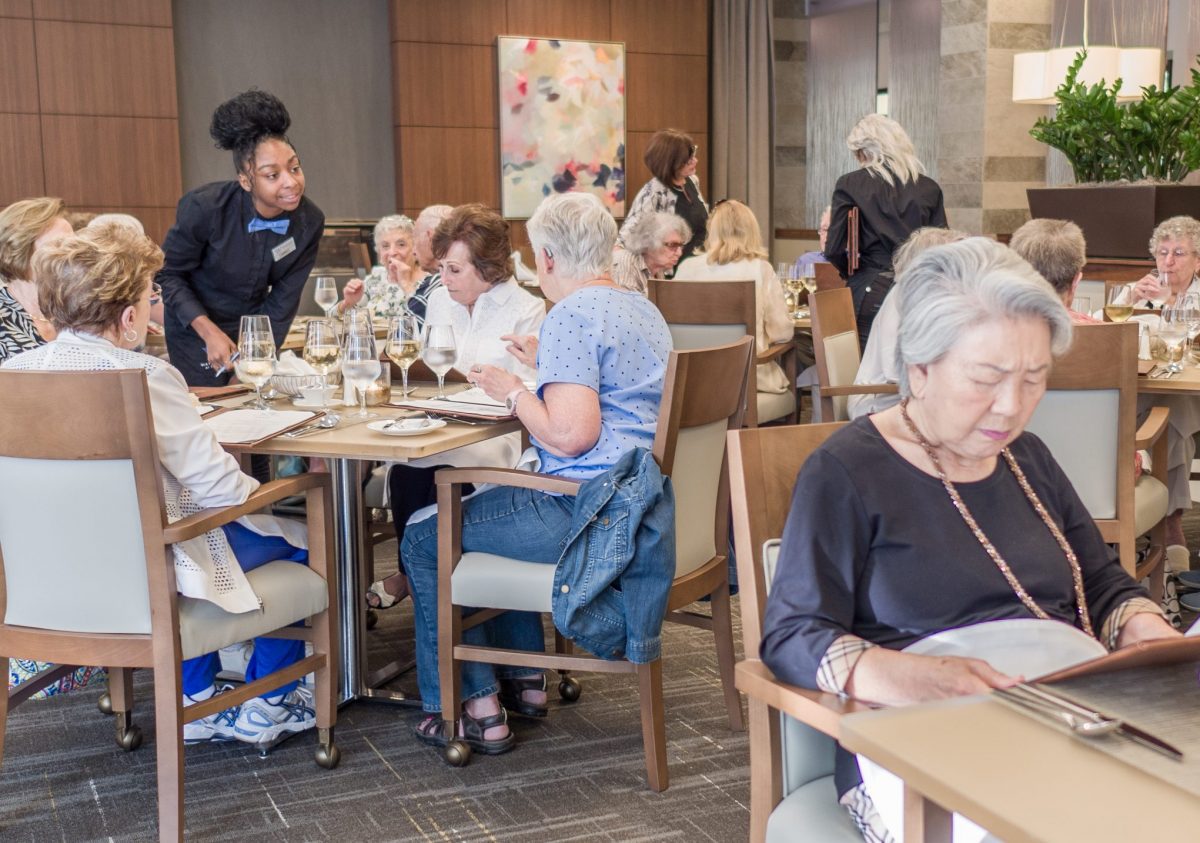
Talking to Parents About Assisted Living

There comes a time in many older adults’ lives when it becomes necessary to consider a senior living community. While there are many senior living options – including retirement communities and independent living – those are often chosen in early retirement.

What options are available for elderly parents who may need support or have a health crisis that occurs? Some consider skilled nursing, long-term care or home care, but for many, they find that an assisted living facility would best meet their loved one’s needs. So how do you bring this up successfully so you can talk with your parent about it? The team at Waterstone at Wellesley is here to help.

Preparing for the Conversation About Moving to Assisted Living

Assess Their Needs

Before looking into assisted living, consider what your loved one’s needs may be. Do they need support with activities of daily living, like eating, bathing and dressing? Are they fairly independent but still need some support? They could benefit from assisted living.

Do Your Research

Go online and look at local communities offering assisted living, and then make a list of your top options based on their:

  • Service Offerings
  • Programs and Lifestyle
  • Amenities
  • Ratings and Reviews

Plan a Meeting

During the initial planning meeting, you should involve all close family members. You’ll want to share your loved one’s care needs, show them your top picks for assisted living, and get their initial input and consideration, especially if they are involved with your parent’s care plan.

Once you’re on the same page about your parent’s senior care needs, choose who will take care of the primary meeting with your parent and where it will be held. That meeting should consist of those your loved one will be most receptive to, and involvement should be limited to prevent your parent from feeling overwhelmed or ambushed. Choose a place you are both comfortable, like where your parent lives currently. Schedule a date and time, and thoughtfully prepare for the discussion.

Having the Discussion About Assisted Living

Share Why You Are Concerned

If you feel it’s time for your loved one to move to an assisted living community, share your concerns with them. If you’re worried about their healthcare or safety, if you’d like peace of mind of knowing they are being cared for by experts, or if you simply want to make sure they’re enjoying the lifestyle they should be, tell them so.

Ask About Their Preferences

Once you’ve shared your concerns, it’s time for them to share theirs with you. Ask them:

  • What their preferences for the future are
  • If they have a plan in mind
  • Why they haven’t considered a move yet
  • If they’ve been overwhelmed by the thought of making a move

Highlight the Advantages

Your parent may not know what assisted living has to offer, so share the information you’ve found with them. If they have certain fears, hobbies or preferences, show them how assisted living can meet their needs. They may find there are more advantages than they previously thought.

Be Understanding and Reassuring

If your loved one is having a hard time with this discussion, try to understand where they are coming from, why they may want to stay at home, and why they are afraid or hesitant to move. Try to see things from their point of view while reassuring them that this is a great option for them to consider.

Don’t Overwhelm Them With Information

Too much information at once can make this concept a bit overwhelming for a loved one. Instead, give only the most relevant facts, ask their preferences, and answer their questions. Over time, if there’s more they need to know, you can do research together or share what they need to know as it comes up.

After the Discussion

Involve Your Loved One

For some families, more than one conversation about assisted living is needed. Each time it’s brought up, be patient, and consider how your loved one may be feeling. If they are receptive to a move, be sure to involve your loved one in the process, asking what their most important considerations are and what they’d like to experience each day.

Ask Family and Friends for Referrals

If your family and friends have experience with assisted living, ask about their thoughts. Are there communities they would consider referring you to? What have they found was the most important thing to ask when searching for assisted living? This can be very helpful information.

Schedule Some Tours

Choose communities to tour with your loved one. Seeing a community firsthand may make it easier for them to make the decision to move.

Ready to start the conversation?

For more information on talking to your parents about their senior living options, or to attend an upcoming event or open house tour, contact us today.

WATERSTONE AT WELLESLEY. NOW THIS IS HOME.

Waterstone at Wellesley offers independent living and assisted living options in Wellesley along the bank of the Charles River. Schedule a visit today to experience our lifestyle and learn how we help seniors thrive.

Categories
The Circle

Coping with Low-Vision and Hearing Problems

As older adults age, visual impairment and hearing problems can become an everyday reality. In order to enhance quality of life and live to the fullest, you may need to find ways to cope. We’re here to help with some of the information and resources you may need to navigate hearing and vision loss.

5 Techniques To Navigate Low Vision

Most often, low vision and vision impairments are caused by eye diseases and conditions. This is very common. People with low vision may experience a range of signs prior to diagnosis. These can include:

  • Blurry or hazy vision
  • Dark spots in your vision, either centrally or peripherally
  • Trouble seeing at night or in low-light conditions
  • Sensitivity to light
  • Trouble driving or reading
  • Issues recognizing people’s faces

Eye diseases and conditions may be able to be corrected or slowed by regular eye appointments and exams, so if you notice changes, schedule a visit with a professional.

Gain as much information as you can.

Once a diagnosis has been made, learn as much as you can about your particular visual impairment. Some of the most prevalent are cataracts, diabetic retinopathy, glaucoma, and age-related macular degeneration. There are plenty more, so doing your research can be helpful to figure out what can be done or what will help you.

Allow yourself to feel your emotions.

Low vision can cause some challenges in your mental health. It’s normal to feel depressed or even frustrated, but these changes are out of your control. Instead of being socially isolated, find ways to enhance the vision you do have. We’ll outline some techniques below.

Consider the use of low-vision aids and special devices.

There are many low-vision aids and devices that can help assist you on your journey with low vision. According to the Cleveland Clinic, some include:

  • Special telescopic or magnifying glasses
  • Lenses that filter light
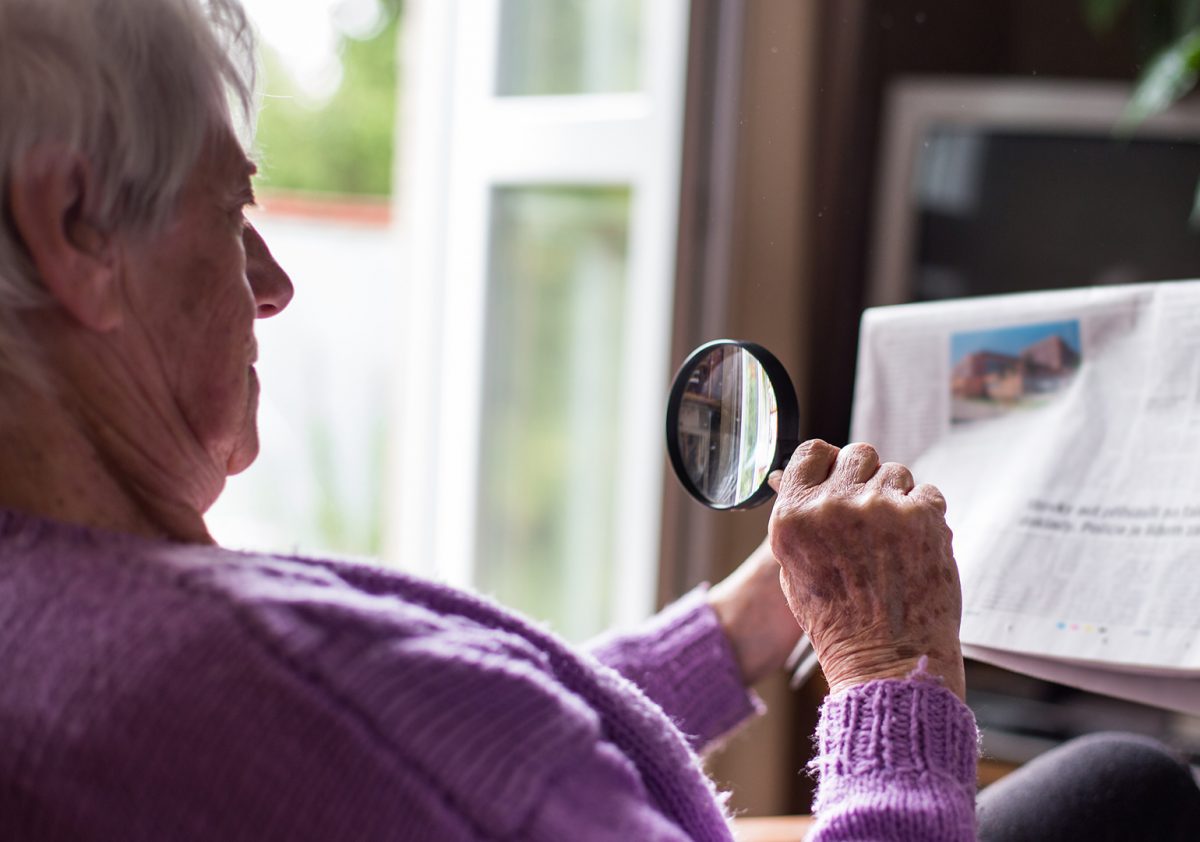
  • Hand magnifiers
  • Reading prisms
  • Closed-circuit televisions

Make use of accessibility features and apps.

The devices you use may be helpful with dealing with low vision, too. According to Harvard Health, you can:

  • Enlarge fonts or zoom in on photographs or text
  • Have your computer or phone read documents, texts, or emails to you
  • Use apps that magnify images
  • Try apps that see for you, like Seeing AI or Lookout by Google
  • Listen to audiobooks instead of reading
  • Use virtual assistant apps or smart devices

Adapt your home and routine.

Harvard Health shares that it could be helpful to:

  • Use high-contrast, large-font labels on anything you need help identifying
  • Make smart swaps with large-print phones, remotes, thermometers, computer keyboards, blood pressure cuffs, and more
  • Add more lighting with automatic night lights and extra lamps, which can also help with orientation and mobility
  • If night driving is difficult, arrange for someone to drive you at night, or, if you can no longer drive, use a ride service

5 Ways of Coping with Hearing Loss

There are many causes of hearing loss. People with hearing loss most often experience it because of prolonged exposure to loud noises, not following proper hearing care, health conditions, medications and genetics, according to the National Institute on Aging (NIA). If you begin to notice any of the following signs shared by the NIA, you may be dealing with hearing loss.

  • Trouble understanding what people are saying
  • Finding it hard to follow conversations
  • Asking people to repeat themselves
  • Needing to turn up the TV and music volume so loud that others complain

Learn about hearing loss.

Some types of hearing loss can be managed, so it’s a good idea to do your research. For those that can, your doctor can point you in the direction of support and resources.

It could also be helpful to join a support group so that you can connect with others dealing with the same hearing issues.

Communicate your needs with others.

The NIA shares that if you have trouble hearing, it can help to communicate what helps you with others. Make sure loved ones know you’re dealing with this issue, ask them to speak clearly, and let them know if you don’t understand.

Try assistive hearing devices.

Hearing devices like hearing aids and cochlear implants can help with hearing loss. If you’re interested in these devices, contact a professional.

Use accessibility features.

We’ve come a long way since using pen and paper to communicate, though it still certainly helps! According to AARP, there are some additional things you can do to combat hearing loss, like:

  • Using captioning apps for smartphones
  • Bringing assistive listening devices with you when you’re out
  • Trying speech-boosting apps
  • Using an amplified or captioned landline

Choose social settings wisely.

AARP also shares that by adapting to your social setting, you may be able to make coping with hearing loss easier.

  • Meet somewhere with limited background noise
  • Have intimate conversations in a quieter place
  • Visit restaurants during off-peak hours
  • If you’re at a party or wedding, sit far away from the DJ
  • Make sure the lighting is bright enough to see facial expressions

EXPERIENCE WATERSTONE AT THE CIRCLE FOR YOURSELF

Schedule a visit today to learn more about our premier independent living community designed to enrich life for seniors 62 and over. Waterstone at the Circle offers beautiful rental apartments as well as access to supportive care services on site.

Categories
Westchester

Exercise Your Way to Healthy Aging

Creating a Winning Senior Exercise Routine

We all know that getting enough physical activity is a critical component of healthy aging. However, if you don’t know the best techniques for exercising as a senior, we can help.

Check out some of the many benefits of meeting your CDC-recommended 150 minutes of moderate exercise per week and techniques to make it safe, simple and fun.

Achieving Healthy Aging Through Exercise

Regular physical activity is essential and provides benefits to our bodies, but the benefits of exercise are more notable with older adults. Here are just a few of the ways that exercising later in life can enhance your overall health, help you stay active, and prevent chronic conditions.

Enhanced Independence

Seniors who exercise regularly are more likely to remain independent longer. Various studies show regular exercise helps older adults maintain the ability to walk, dress, bathe, cook and perform other activities of daily living independently longer.

Improved Balance

Falling is a significant hazard for older adults. It’s estimated that a senior is admitted to the emergency room for a fall-related injury every 11 seconds. Falls generally result in health issues, meaning that avoiding falls is essential for healthy aging. Regular exercise helps improve seniors’ muscle mass, strength and balancing ability.

More Energy

Even though you may feel worn out after a good workout, exercise actually boosts your energy. Any form of movement or physical exertion releases endorphins, boosts metabolism, promotes healthy sleep, reduces pain, and increases one’s sense of well-being.

Lessened Risk of Chronic Conditions

Seniors are more prone to diabetes, heart disease, depression and hypertension. Fortunately, a more active lifestyle is one of the best ways to help prevent or manage these conditions.

Higher Brain Function

A healthy body can, indeed, mean a healthier mind. Seniors who exercise regularly have better cognitive health and a lower risk of developing dementia.

The Best Exercises for Seniors

When building an exercise program, it’s a good rule of thumb to stick to the recommended 30 minutes a day, 5 days a week strategy while focusing on strength training, flexibility, and balance. Depending on your fitness level and doctor’s opinion, see below for some excellent exercise options for you.

Walking

Walking is one of the easiest forms of exercise. All you need is a good pair of shoes and a place to walk, and you’re ready to get going. Whether you stroll around the block or do a more challenging hike on a favorite trail, walking is an excellent exercise to help improve your health in every way. A 30-minute walk will get you well on your way to a healthy lifestyle.

Water Aerobics

Water aerobics is a popular form of exercise for older adults – and for good reasons. Exercising while in the water is perfect for individuals who have joint pain or difficulty moving around since water buoyancy lessens the impact on joints. Water also has a natural resistance, which provides strength training without using weights.

Because being in the water is more forgiving than being in the open air, it’s a great way to improve flexibility, balance and strength without stressing your body or worrying about falling.

A sample 30-minute water aerobics routine:

  • Aqua jogging (5 minutes)
  • Flutter kicking (5 minutes)
  • Leg lifts (5 minutes)
  • Standing water pushups (5 minutes)
  • Arm curls (5 minutes)
  • Aqua jogging/cooldown (5 minutes)

Chair Yoga

Yoga is a great low-impact exercise, and chair yoga is even more gentle. Yoga focuses on flexibility, balance and muscle strength in a calm, controlled environment. As an added health benefit, chair yoga has been shown to help reduce the risk of mental health problems, including stress, anxiety and depression, in older adults.

Try this 30-minute chair yoga routine:

  • Neck rolls (2 minutes)
  • Side stretches (3 minutes)
  • Cat/Cow (2 minutes)
  • Half sun salutations (3 minutes)
  • Forward folds (2 minutes)
  • Ankle rolls (3 minutes)
  • Warrior sequence (One and Two) – (10 minutes)
  • Savasana (5 minutes)

Resistance Bands

These stretchy strips of rubber are an excellent way to add resistance without increased stress. They’re also good for strengthening your core and can be used to increase mobility and balance.

Add these exercises to your 30-minute aerobic activity routine:

  • Lateral raise
  • Triceps overhead press
  • Leg press
  • Band pull-apart
  • Bicep curl

Bodyweight Workouts

Muscle loss can lead to a slew of health issues, such as hormone problems, difficulty walking, and more. Bodyweight workouts use the body’s weight to help strength train naturally and easily – no fancy equipment necessary.

Here are some exercises that use body weight to help safely build muscle and endurance:

  • Squats to chair (Squatting over a chair and then lifting to standing)
  • Step-up
  • Lying hip bridges
  • Side-lying circles

Remember, before starting any exercise routine, be sure to consult with your physician.

WATERSTONE OF WESTCHESTER: A WELLNESS-FOCUSED LIFESTYLE

Waterstone of Westchester provides a lifestyle where overall wellness and healthy aging are always within reach. Our team of professional trainers lead a variety of fitness classes and wellness programs that help our residents reach their goals.

Learn more about our lifestyle and schedule a tour to see what your future holds today.

Categories
Lexington

How To Get the Most Out of Your Doctor Visit

Full waiting room, quiet exam room, a quick 15-minute chat with the doctor, and you’re on your way. You only have a limited amount of time with your doctor, so how can you make the most of the time you do have? We’re making it easy to find out with our expert tips to help you maximize your doctor appointments.

Tips for Making the Most of Your Doctor Visits

Write out questions prior to your appointment, and bring your list.

This is important for two reasons: One, it’s easy to forget the things you want to ask or are curious about. Two, it’s easy to feel rushed, which can make you skip out on your list of questions, possibly missing something important.

Having your list with you will help prevent you from forgetting in the moment, all while ensuring you leave nothing necessary out.

Arrive early to your doctor’s office.

Sometimes your doctor’s office will want you to share your health history ahead of time. They may also need to look up your medical records if you’re coming from a different healthcare provider. Arriving early can help give you time to fill out necessary forms and paperwork without being rushed.

Keep an eye on the time.

A doctor only has so much time to talk with you, so make sure you’re sticking to the topics you’re there to discuss and asking the most important questions first. If you know it’s likely you have more questions than can be answered during your normal appointment slot, ask if you can schedule a longer appointment next time.

Be honest with your doctor.

If you are at your doctor’s office for a physical exam, be honest with them about your health concerns.

If you’d like to enhance your health, be upfront about that. If you’re dealing with some health issues, don’t ignore them. If they ask you a question, don’t skirt around the truth; they’re there to help you and want to know about any health concerns you have.

Take notes.

As your doctor chats with you, take notes so your family members can remain in the loop as well. Ask your doctor to repeat anything if necessary for you to be clear about what they’re saying.

Ask for resources.

If you’re diagnosed with a health condition, like high blood pressure, heart disease, or another ailment, ask for resources. These can help you manage your conditions or learn what you can do to stay healthy. Often, doctors will provide this to you, along with a list of instructions, but if they don’t, it’s a good idea to ask for it.

Follow up with questions.

If you have questions after your appointment, perhaps about blood work, test results, or medication side effects, don’t be afraid to follow up. It often takes a quick phone call or email to get the answers you need, so make it a point to do so if you feel you need more information.

LET US BE A RESOURCE FOR YOU.

To learn more about how to get the most out of your doctor visits, or to see how our lifestyle can enhance your health, schedule a visit today.

WELCOME TO LUXURY LIVING IN LEXINGTON.

There are many reasons to choose Waterstone of Lexington as your new home. With independent living and assisted living on site, you’ll have access to convenient amenities, wellness-focused services, and a truly exceptional lifestyle. Schedule a visit to learn why Waterstone of Lexington might be the right senior living community for you.

Categories
Wellesley

Avoiding Identity Theft and Common Scams Targeting Seniors

Yearly, millions of seniors become the victim of a financial scam or scheme, causing the loss of money, trust, privacy or safety. In fact, chances are you know someone who has been affected by scams, have seen a family member’s social media page that has been hacked, or have received a spam call or message yourself.

No matter where you look, scammers and con artists seem to be out there lurking, waiting for the next person to target. Fortunately, being aware of common identity theft and elder fraud techniques can help you avoid them.

What Makes Seniors Targets for Identity Theft and Scams?

People of all ages can be scammed; however, seniors are often targets for fraud because of their trusting and polite nature. They may also be targeted because they typically own their home, have good credit, and have financial savings.

Identity Theft

Identity theft occurs when someone uses your personal information to pretend they are you in order to drain your accounts, open credit cards, or even get medical treatments. In fact, did you know that, according to the Consumer Sentinel Network’s 2021 Data Book, 1.4 million complaints of fraud were reported? This made up 25% of all complaints.

What are the common types of identity theft, how can you protect yourself, and what can you do if you think you’ve been targeted? We’re sharing the information you need to know below.

Common Identity Theft Techniques

According to the Federal Trade Commission’s Consumer Sentinel Network report, the top form of identity theft was Government Documents or Benefits Fraud. This was followed by Credit Card Fraud. Some other notable forms you may find include:

  • Loan or Lease Fraud
  • Phone or Utilities Fraud
  • Bank Fraud
  • Employment or Tax-Related Fraud

These, however, aren’t the only types of identity theft. Others may include email or social media, evading the law, insurance, medical services, online shopping or payment accounts, securities accounts, and more.

How To Protect Yourself from Identity Thieves

If you are concerned about identity theft, follow these tips.

  • Never give out personal information
  • Don’t give out credit card information over the phone
  • Never carry your Social Security number or card on you
  • Lock banking information away
  • Shred important documents
  • Enable two-factor authentication for logging into websites or apps
  • Change any passwords that are part of a security breach
  • If needed, freeze your credit files with credit bureaus
  • Check your credit yearly
  • Create complex passwords

What To Do if You Think You’re the Victim of Identity Theft

According to U.S. News & World Report, you can report identity theft to the Federal Trade Commission (FTC), proving to businesses that someone stole your identity. You can also place fraud alerts on your credit report, request fraudulent information be removed, and file a police report, especially if you know who committed the crime.

Senior Scams

Sentinel shares there were over 984,000 imposter scam reports and that about 1 in 5 people lost money. Imposter scams were also shown to be the number one cause of fraud in 2021.

Being aware of scams can help you spot them – and stop scammers in their tracks – before you’ve been taken advantage of. Learn more about scams, protecting yourself, and reporting them below.

Common and Current Senior Scams

According to the Consumer Finance Protection Bureau, some of the most common types of scams include:

  • Charity scams, often present during holidays and after natural disasters and emergencies
  • Debt collection, debt relief or debt settlement scams
  • Romance scams, which usually occur online in an attempt to access your money
  • Sweepstakes or lottery scams
  • Grandparent scams, where scammers pose as grandchildren in trouble to get money or gift cards from you
  • And, of course, imposter scams, convincing you to send money by pretending to be someone you know and trust, like a government agency, police officer, employee of the state, etc.

Other types of scams, like tech support scams, Medicare scams, mortgage scams and more also exist, so be cautious anytime you feel even slightly unsure.

How To Protect Yourself

Protecting yourself from scams is a lot like protecting yourself from identity theft, but you can also take it one step further. Before acting on a potential scam:

  • Raise a red flag about a sense of urgency
  • Use the internet to research
  • Get a second opinion
  • Monitor your bank account or sign up for fraud alerts
  • Evaluate websites you’re purchasing from
  • Never send money to people you don’t know
  • Do not complete wire transfer requests
  • Remember that if it sounds too good to be true, it almost always is
  • Put your phone number on the National Do Not Call Registry

Reporting Scams

What should you do if you find out you’re the target of a scam, or that you’ve been scammed? Just like with identity theft, there are a couple of things you should do right away, including submitting a complaint with the FTC, contacting the police, and reporting it to your state attorney general.

We’re here to help.

For more information on how to avoid identity theft and senior scams, or for ways you can keep yourself or a loved one safe, contact our team. For additional senior resources, visit our other blog posts today.

WATERSTONE AT WELLESLEY. NOW THIS IS HOME.

Waterstone at Wellesley offers independent living and assisted living options in Wellesley, on the Bank of the Charles River. Schedule a visit today to experience our lifestyle and learn how we help seniors thrive.

Categories
High Ridge

What Is Normal Aging vs. Memory Loss?

In the United States, 6.2 million people ages 65 and older have Alzheimer’s disease, just one of the various types of dementia and memory loss, according to the Centers for Disease Control and Prevention (CDC). Are you or a loved one among those who could have memory loss, or do the signs point to normal aging?

While it can be difficult to tell, there are some indications that you may be dealing with one over the other. We’re here to share these signs with you so you can better evaluate whether it’s time to reach out to a doctor for help or a medical diagnosis.

Signs of Normal Aging vs. Signs of Memory Loss

Forgetfulness

It’s normal to forget a name, an appointment, what day it is, or what you walked into a room for. Often, it’s a short-lived lapse, with the information coming to your mind soon afterward. Usually when this occurs, it isn’t a cause for concern.

It does, however, become a concern when forgetfulness and memory loss impact daily life. Those with memory loss may find themselves forgetting the names of close friends and family, forgetting recent events, or asking the same questions repeatedly. If you notice any of these signs, it could be that memory loss, not normal aging, is the problem.

Difficulty completing familiar daily tasks

For those who are experiencing signs of normal aging, you may find that you’re less able to manage multiple tasks. This can be especially true when you’re distracted or overwhelmed.

If you find that you’re no longer able to complete familiar tasks, are unable to pay bills, tasks are taking you much longer, or you need more help or reminders, you could be experiencing memory loss.

Language changes

Everyone has trouble finding the right words from time to time. In fact, if something is just on the tip of your tongue and eventually comes to you, it’s likely normal.

Those with memory loss, however, may say things like “bed” instead of “table,” or “arm clock” instead of “wristwatch,” and may mix up their words frequently. Those with memory loss may also find that it’s hard to follow or join conversations.

Misplacing items

Do you find yourself misplacing items but quickly being able to retrace your steps to find them? That’s a good sign you’re dealing with normal aging. Those who are unable to do so, or who are putting objects in unusual places frequently – like the telephone in the fridge – may be dealing with memory loss.

Getting lost

Many people tend to temporarily forget a destination, or they may need a moment to pause to think about directions. Despite this, they get right back on track with their destination certain.

Those with memory loss may easily get lost while walking or driving in a familiar area, sometimes leaving them in dangerous situations. Getting home may take them even longer, as well. If this is becoming something you’re frequently noticing, it might be time to discuss whether it’s safe to drive or if it’s time to hang up the keys.

What To Do if You Suspect You or a Loved One Has Memory Loss

If you feel like yourself or a loved one is experiencing memory problems that aren’t a normal part of aging, or if you think either of you could be dealing with early signs of dementia, schedule an appointment with a healthcare provider. They can help you evaluate whether it’s normal aging or dementia.

In the meantime, it can also help to reduce risk factors and enhance brain health. This is true whether you’re dealing with memory loss or simply want to lower your chances of dementia in the future.

According to the CDC, some of the things you can do include quitting smoking, maintaining healthy blood pressure, managing high blood pressure, getting exercise, maintaining a healthy weight, aiming for better sleep, remaining involved and engaged in life, and managing blood sugar.

Can Other Conditions Cause Memory Loss?

A doctor can help you determine whether you or a loved one may be dealing with side effects from another condition. The CDC states that some conditions can cause memory loss or dementia-like symptoms to occur in older adults, including vitamin B12 deficiency, hypothyroidism, infections, normal pressure hydrocephalus, and certain prescriptions and over-the-counter medicines.

If It’s Memory Loss, What Should the Next Steps Be?

Family members and people with dementia or memory loss should begin planning for the future. Hold a family meeting, begin talking about care options, discuss care preferences, settle any legal matters that need to be taken care of, gather knowledge on the condition, and focus on treating and managing symptoms.

WE’RE HERE FOR YOU.

If you or a loved one is dealing with memory loss, contact our team. We are here to provide support, care and resources to make this time easier. To learn more or schedule a visit, contact us today.

SUPPORT WHEN YOU NEED IT. HOME THE WAY YOU LIKE IT.

Waterstone on High Ridge offers a modern approach to senior living in a beautiful hilltop setting. Come see how we redefine independent living, assisted living and memory care in Fairfield County.

Innovative food and dining trends in senior living are on the rise, with today’s senior living dining experience taking on a whole new dimension. This is especially true at Waterstone at the Circle, located at the foot of Chestnut Hill in Boston.

Discover what residents of our active senior living community savor with our exquisite dining experience.

What You Can Expect from Waterstone at the Circle’s Premier Dining Experience

Gourmet, Chef-prepared Meals

Our culinary team creates exceptional cuisine, delivered with impeccable presentation and top-notch service. Our dining is regionally inspired and truly personalized to our residents’ tastes and preferences. Even better, it’s available every day – right outside your apartment door.

Locally Sourced, Seasonal Ingredients

Waterstone at the Circle maximizes the use of locally sourced ingredients to provide the freshest culinary creations possible. Through the use of locally grown fruits and vegetables when possible, our dining selections feature delicious and nutritious choices that please the palate.

Menus change seasonally to provide a range of dining options featuring refreshing energy and flair.

Impeccable Service

Our dining venues offer an ambiance to meet your lifestyle. From restaurant-style dining you can enjoy with fellow residents and friends to celebrations with family in our private dining room to outdoor seating when the weather is right, Waterstone at the Circle has it all.

If you happen to be looking for a quick bite to eat in the morning, our bistro is the perfect place to meet, read the paper, and feel an even greater sense of community.

Anytime Dining

Because our residents live such an independent lifestyle, they need to be able to dine on their time, their way. Whether this means in-between classes and club meetings, before a morning workout in the fitness center, or after one of our many late afternoon and evening events, we’re here to meet their needs and fit their schedule.

Dining Tailored to Preferences and Needs

Chefs get to know residents over time and learn to cater to their tastes. Whether you’re searching for your favorites, have a specific craving, or prefer something a little more health-conscious, we’re here to accommodate you. Our chefs are also happy to accommodate dietary restrictions.

Discover a Dining Experience That Exceeds Residents’ Expectations.

While residents choose Waterstone at the Circle for any number of reasons, our ability to keep on top of the senior living dining trends is one of the top reasons they choose our community.

“I have been to some of the best restaurants in Massachusetts, and I just can’t think of any changes I would make to the menu at Waterstone. Whether you’re a meat eater or a vegan – they’ve got it. And they’ve got it just right.” – Morris, Waterstone Resident

To learn more about our premier dining experience, schedule a visit. Or, to get an inside look for yourself and see everything our community has to offer, visit our gallery. Here, you’ll see an example of our mouthwatering dining options, get a peek into our lifestyle and access our virtual tour.

EXPERIENCE WATERSTONE AT THE CIRCLE FOR YOURSELF.

Schedule a visit today to discover Waterstone at the Circle’s dining program to get a taste for yourself. While you’re here, you’ll learn more about our independent living community designed for seniors 62 and over.

Categories
High Ridge

5 Tips for Aging Gracefully

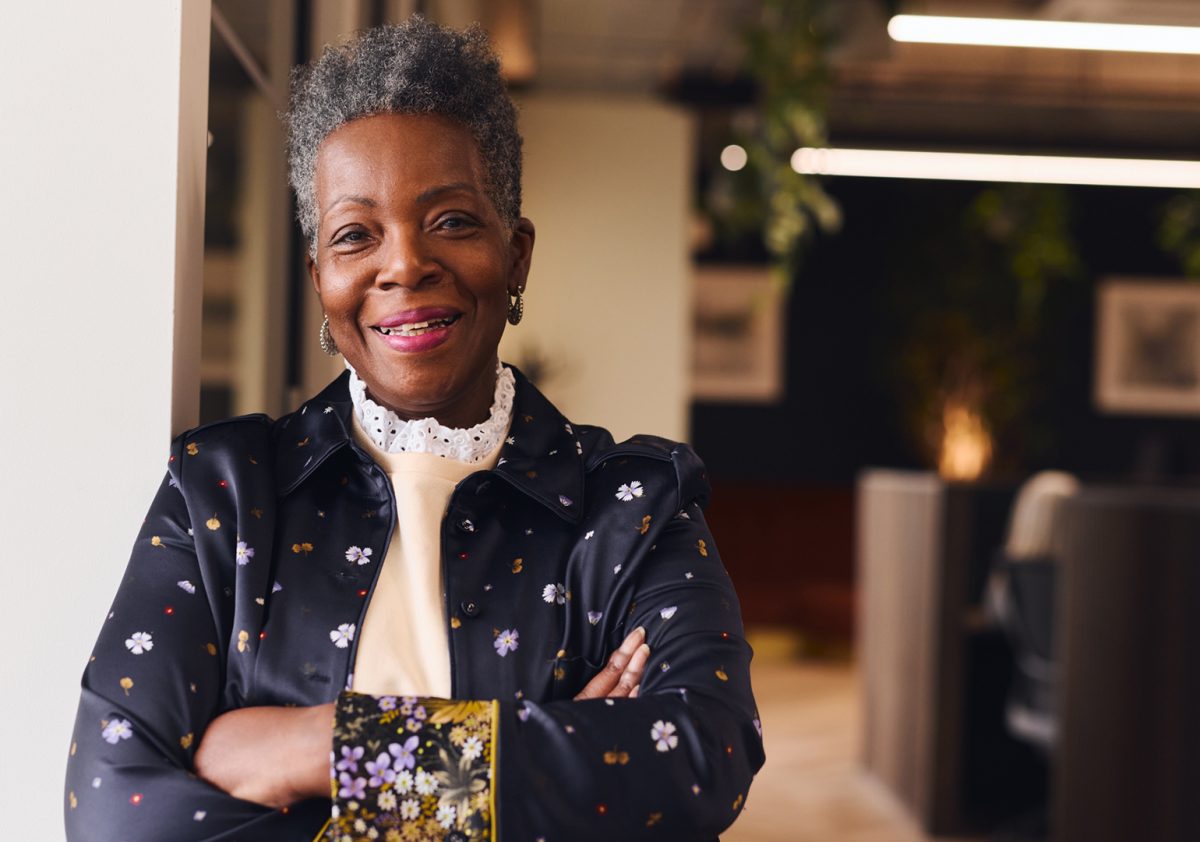
confident senior woman smiling and looking at camera with arms folded

For some older adults, age is just a number, but for others, age is a barrier. Fortunately, the good news is that age doesn’t have to define you – and you don’t have to let it!

These days, older adults are breaking the boundaries of what we expect about the aging population, and to that we say it’s about time. Today, we look to seniors as a source of knowledge, a standard to live up to, and what graceful, positive aging can look like as the years pass.

So how do we attain graceful aging? While many older adults make it look effortless, it takes plenty of intentional work and effort. Follow our tips to find out what you can do now to help yourself age gracefully in the future.

Tips for Aging Gracefully

Avoid negative stereotypes around aging.

Have you ever heard that older people go to bed early, have a limited social life, follow a rigid routine, have a wide range of health problems, or are generally grumpy? Usually, these are simply stereotypes cast onto seniors.

The truth is, those who age gracefully know that they are in control of themselves and how they want to live as they age, and where and how they want to spend their time. You don’t have to give in to the negative stereotypes – and many, in fact, are not.

At Waterstone on High Ridge, residents find themselves living their lives to the fullest, traveling, pursuing new hobbies, getting active in causes that are important to them, and, yes, even staying up late at times! They simply enjoy the freedom and opportunities they’ve been given to enjoy retirement, all while embracing the possibilities each day holds.

“We can lock our apartment and travel anywhere we wish without a care. We can eat anywhere we choose. We simply can enjoy a stress-free life, and we deserve that.”

– Jennifer & Mark L., Residents of Waterstone on High Ridge

Adopt a positive attitude and mindset.

People who live with a positive mindset or with gratitude often feel happier. If you’re looking to age gracefully, practice gratitude, find ways to laugh every day, manage stress, meditate, reflect on the positive events in your life, or make a list of people or things that you are thankful for.

When you aren’t feeling so positive, these things can help you feel good while improving your mental health.

Take care of your health – in body and in mind.

The aging process can be tough to deal with, but the more you take care of yourself, the better your quality of life will be. As you grow older, focus on the below to achieve healthy aging.

Increase Your Physical Activity Levels

Not only can this decrease your risk of heart disease by lowering your blood pressure, but it’s good for your mind and overall health. Aim to exercise for at least 150 minutes per week.

Enhance Nutrition with Healthy Eating

Exercise isn’t the only thing that can help you age well when you have an increased risk of debilitating health conditions – eating a healthy and nutritious diet can, too. Make sure you’re consuming plenty of fruits and vegetables, lean proteins, whole grains and low-fat dairy.

Stick to a Sleep Schedule

Sleep is important for those of all ages, so create a calming bedtime routine and aim for about seven to nine hours of sleep a night.

Don’t Forget To Visit Your Doctor

Regular visits can help you manage your long-term and short-term health conditions, provide advice to enhance your physical health, support you in living longer, and take care of any questions and concerns.

Explore your sense of purpose, allowing you to pursue what excites you.

Retirement is the perfect time to do what you love, try new things and enhance your social connection. Strive to continue learning, traveling, giving back, and really honing in on what it is you’ve wanted to do but never had time to before.

Understand that things may change.

One of the crucial things that older adults understand about aging is that care needs and abilities may change. Those who age gracefully plan, prepare for any possible difficulties and find ways to handle them ahead of time.

Discover How To Age with Grace at Waterstone on High Ridge

If you’re searching for a senior living community that will offer everything you need throughout your aging journey, you’ll find it at Waterstone on High Ridge. With opportunities to socialize, enhance your physical health and wellness, delight in delicious dining, manage your health needs, and make the most of your retirement, you’ll age with grace in an environment created to meet and exceed your expectations.

To experience how Waterstone on High Ridge supports older adults in aging with grace for yourself or to learn more about our premier senior living lifestyle, schedule a visit today.

HOME THE WAY YOU LIKE IT. SUPPORT WHEN YOU NEED IT.

Waterstone on High Ridge offers a modern approach to senior living in a beautiful hilltop setting. Come see how we redefine independent living, assisted living and memory care in Fairfield County, just minutes away from fine restaurants, retail stores and cultural venues in Stamford and Greenwich.

Categories
Wellesley

Benefits of a Positive Mindset as We Age

How old do you feel? If you answered higher than your current age, or even lower, there might just be a good reason for that – and it all has to do with mindset.

Whether you’re trying to hide your age, feel older than you are, or would simply like to freeze time, it’s important to shift your mindset from negativity to positivity. Why? Because a positive attitude has many proven benefits when it comes to aging.

The Perks of Positivity in the Aging Process

Research shows that a positive outlook and attitude about aging may help to reverse the aging process in older adults. A study published in the March 2022 Journals of Gerontology: Psychological Sciences and Social Sciences shares that among 233 older men, those who were more optimistic experienced better moods while improving how they viewed stressful situations.

This isn’t the only study that shows how a positive mindset can lead to greater well-being in life.

In research conducted by Ellen Langer, PhD, Harvard University psychology professor, a group of men, one who acted as though they lived in 1959 and those who simply reminisced about the year, noticed enhanced overall well-being, including in vision, old age, cancer, weight, heart health and happiness. Those who acted as though they were younger received even more benefits, showing that while growing older may be a part of life, anti-aging may be all about being young at heart and staying positive.

Ways To Put Positivity Into Motion

How can older people achieve healthy aging while seeing aging in a positive light? If you or a loved one is on a mission to reverse the aging process while adopting a healthy lifestyle, check out these ideas that can help.

Embrace Gratitude and Focus on Positive Emotions

When you focus on all the good things happening around you, you leave little room for the negative thoughts and experiences to cast a shadow. Check out some of the many ways you can embrace gratitude, improve your mental health and be more positive with these tips.

  • Maintain a journal
  • Make a list of three things you’re thankful for each day
  • Meditate
  • Collect happy memories in a jar to read at the end of the year, or longer
  • Assess and reframe negative thoughts

Increase Physical Activity

Have you ever felt happier and more energized after exercising? This is because exercise releases endorphins, which can make you not only healthier but also happier. Strive to increase your physical activity by creating a fitness routine. If you want to bring a little more sunshine to your routine, exercise with friends or attend a group yoga or tai chi class.

Tip: If you’re struggling to start, focus on viewing exercise in a positive light, too. Instead of viewing it as something you have to do, reframe it as something you’re happy to have the ability to do.

Stay Social

Happiness is contagious, and being around friends can provide a significant boost to a person’s mood. Surround yourself with positive people who encourage you to be the best version of yourself!

Manage Stress

An overload of stress can be detrimental to your health and well-being. Find effective ways to manage this, whether it’s talking with friends, exercising, practicing self-care, getting involved throughout your community, or simply taking a break for something that brings you joy.

Live a Healthy Lifestyle

If you feel better, you’re likely to be more positive and could even live longer. This doesn’t just mean exercising; it also includes eating healthy, quitting bad habits like smoking or drinking excessively, scheduling routine doctor’s visits, managing health conditions like high blood pressure, and keeping your mind and body as healthy as possible.

Find Humor in Everyday Life

Laughter can be some of the best medicine. Whenever negative things happen or something doesn’t go according to plan, find a way to laugh about it or view it in a more positive light. This won’t just help you realize that what you’re going through might not be that bad, but it can help lighten some of the pressure while bringing joy.

Shift Negative Stereotypes

One of the best ways to reverse the aging process is to shift what you think aging looks like.

Today’s seniors are more active than ever and are looking for ways to enhance their senior living experience. At Waterstone at Wellesley, we’re kicking old stereotypes to the curb every day with an enriching and engaging lifestyle crafted around the retirement seniors are searching for.

Discover how we put everything in place for healthy, happy and positive aging. Schedule a visit to learn more about our lifestyle today.

WATERSTONE AT WELLESLEY. NOW THIS IS HOME.

Waterstone at Wellesley offers independent living and assisted living options in Wellesley along the bank of the Charles River. Schedule a visit today to experience our lifestyle and learn how we help seniors thrive.

Categories
Westchester

Making New Friends In Our Senior Years

As children, we are able to make friends from the simplest of conversations, but as we age and life gets busier and more demanding, it becomes more difficult. By the time we hit our senior years and retirement age, we may find ourselves with only a couple of close friends – and much more free time. It’s when this happens that many find they’d like to widen their social circle and make new friends.

Benefits of Friendship

Why is it important for older adults to make new friends? One of the biggest reasons is to prevent social isolation. Beyond this, there is an increasing list of benefits to friendship that can make retirement more enjoyable.

  • Decreased risk of chronic illnesses like heart disease, dementia and high blood pressure
  • Improved mental and physical health
  • Enhanced social support and emotional support
  • Fewer feelings of loneliness
  • Better cognitive health
  • Increased happiness and joy

Making Friends as a Senior

If you’re among the many older adults who want to make new friends but aren’t sure where to start, we’re here to help.

Get out of your comfort zone.

It can be nerve-wracking to make new friends, but it’s important to get out of your comfort zone and meet new people. Try hanging out in common areas where you’re likely to chat with others nearby, try new things, or hang out with your friends’ friends.

Join new clubs and groups that interest you.

One of the best ways to create social connections and strong friendships is to just spend time doing things you love. Whether you decide to revisit an old hobby that you haven’t enjoyed in quite some time, join a new group that you’ve been considering or try something entirely new, you’re sure to meet others who could become your good friends.

Try joining an exercise class.

Finding a class that enhances your health and wellness doesn’t just provide many physical and mental health benefits. It’ll also introduce you to those who want to remain active and healthy, too. Take up a yoga, tai chi or a group fitness class to ensure you’re surrounded by others with the same goals as you.

Set up weekly get-togethers and meetings.

Whether you join book clubs, hold recipe swaps, attend brunches or begin hosting cocktail hours, these weekly meetings can be a great way to get to know new people.

To enhance connection or to help you stay involved when you aren’t able to meet in person, create a social network via Facebook groups or hold virtual meetings. It might not feel the same as meeting face-to-face, but it can provide a short-term solution.

Chat with those you see frequently, or say hello to a stranger.

Do you notice you see the same people in passing every day? Stop to chat, or simply say hello; you never know, it could spark a new friendship.

Say yes to unexpected invitations.

Have you been invited to an event you wouldn’t usually attend? Instead of declining the invite, choose to accept! Has an acquaintance asked you if you’d like to join them for dinner or an outing? Go with them. Not only can turning your usual “no” into a “yes” introduce you to new things you might enjoy, but this can help you meet new people, too.

Join a cause you’re passionate about or volunteer.

By focusing on the things that are most important to you, you might find yourself making new friends quickly. Consider volunteering at an animal shelter, helping out at a soup kitchen, volunteering to teach a class, or mentoring others. No matter what you choose, giving back can be a great way to gain new friends while increasing your involvement within your community.

Make New Friends at Waterstone of Westchester

When seniors make a move to Waterstone, they don’t just open the door to a world of possibilities. They open the door to endless opportunities to make new friends and expand their social circle.

With a range of programs and social activities, wellness classes and a walkable location, there are plenty of chances to make new friends. Enjoy one of many cultural or social programs offered daily, try a new class in our mind-body studio, explore the surrounding area, or dine with someone that you’ve just met. No matter what you decide, the choices are all yours.

COME HOME TO WATERSTONE OF WESTCHESTER

With an array of activities and events, a focus on a robust lifestyle, and a commitment to wellness, life at Waterstone of Westchester takes the idea of home to an entirely new level.

Learn more about our premier independent living community where you’ll thrive in a beautifully appointed apartment with designer finishes and enjoy connecting with friends in our stunning common areas. Come home to Waterstone of Westchester.

Loading...