Enjoy socializing in common areas.
Categories
The Circle games
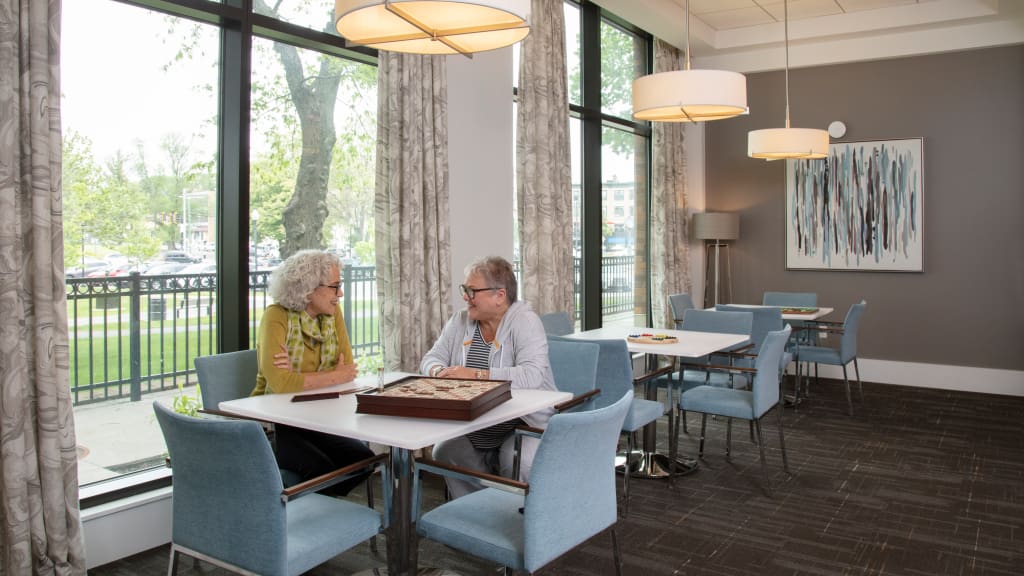
Enjoy socializing in common areas.

Take a walk in the neighborhood.

Enjoy our outside terrace area.

Enjoy meals in our community dining room.

Enjoy a delicious brain healthy salad with a glass of red wine.

Enjoy a delicious Caesar salad with a glass of white wine

Enjoy lamb shop with a side salad.

Enjoy chocolate cake and strawberries.
Food connects people to memory, culture, and family. For many older adults, food also plays an important role in long-term health and brain function.
Mike Bavuso understands this connection well. He serves as the Dining Service Director at Waterstone of Lexington, where he leads the culinary team and sets the approach to daily dining.
Mike grew up in an Italian household where his mother’s cooking shaped family life. She made food the centerpiece of every occasion.
Mike spent his early years learning her techniques and developing a lasting passion for cooking. He now brings this passion to Waterstone of Lexington.
He recently won the “Battle of the Chefs” tournament at Waterstone for the second year running. He competed against other Waterstone chefs to secure the title.
“The beginning of a dynasty,” he says.
And yet, humility remains; he admits he has not yet surpassed his mother’s skills.
We spoke with Mike about how food supports brain health, how Waterstone approaches nutrition, and what older adults can do at home to eat well as they age.
Watch the short interview below, or continue reading:
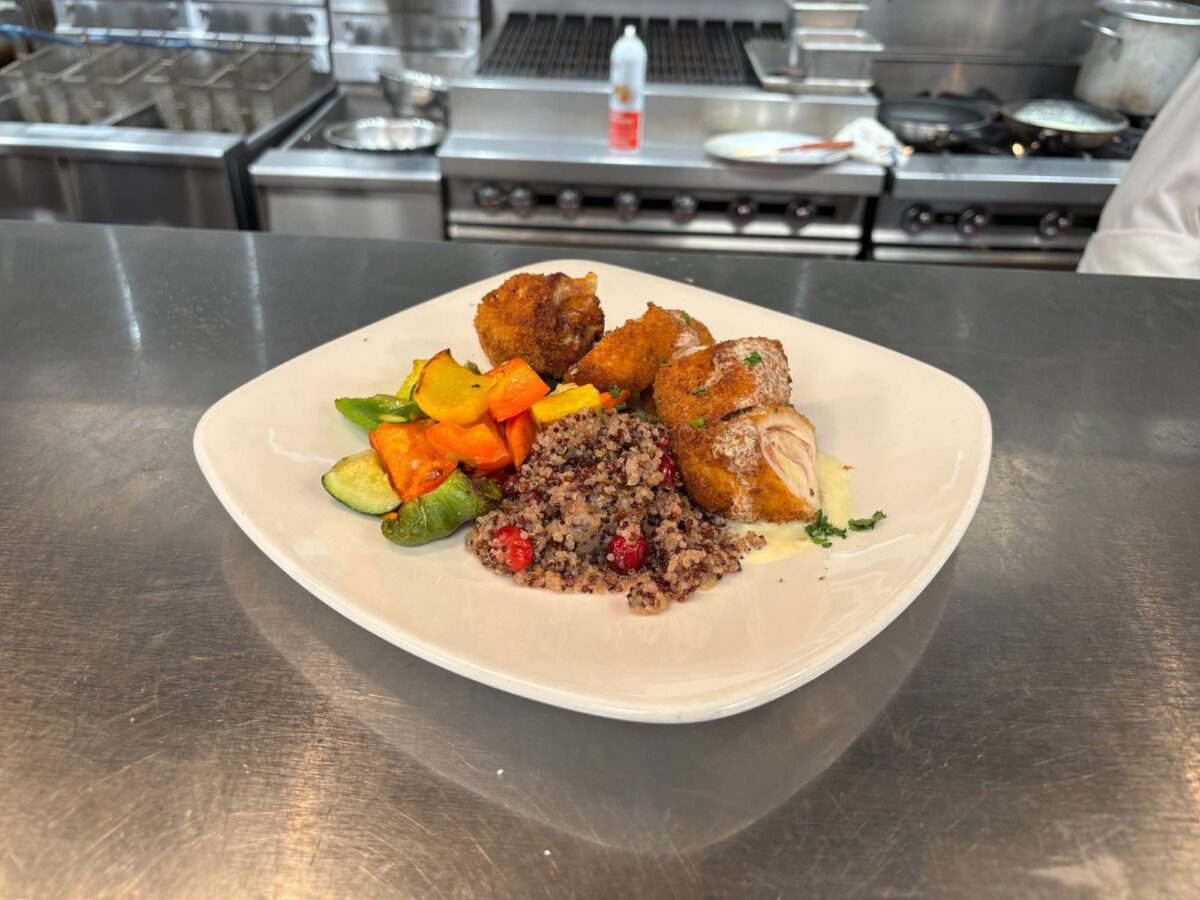
Dining at Waterstone is centered on fresh preparation, resident choice, and flexible menus that support both enjoyment and overall wellness.
“At Waterstone, we cook the way we would in a fine restaurant,” Mike explains. “We focus on flavor, balance, and presentation every day.”
Mike and his team base their menus on a Mediterranean-inspired approach to dining. This style emphasizes vegetables, whole grains, fish, and healthy fats. Chefs use olive oil and avocado oil in place of heavier fats. They rely on herbs, citrus, and vegetables to build flavor instead of salt.
Waterstone kitchens use a fresh-to-order cooking model. The team prepares meals when residents place their orders. They do not cook food in large batches and hold it for service.
“We cook each plate as it is ordered,” Mike says. “If someone needs less salt or has a specific request, we can adjust the meal right away.”
This level of flexibility matters in senior living. Many older adults manage health conditions that affect how they eat. Personalized cooking allows residents to enjoy meals that match their needs without sacrificing taste.
Mike also values feedback from residents. He encourages people to share what they enjoy and what they want improved. Dining teams use this input to adjust menus, refine recipes, and improve service.
For prospective residents, this approach offers an important signal. Dining at Waterstone does not follow a one-size-fits-all model. The kitchen adapts to the people it serves, which helps make daily meals both enjoyable and supportive of long-term health.
This approach reflects what many older adults should expect from modern senior living dining.
After all, it’s not really a restaurant that people frequent, but a place where residents come every day to eat. It is part of their home.
As mentioned, Mike centers his nutrition approach on the Mediterranean diet. This style of eating favors whole foods and simple preparation. It includes vegetables, whole grains, lean proteins, and healthy fats.
“We build our menus around foods that support the brain,” Mike says. “The goal is to help people feel sharp and energized through what they eat.”
The Mediterranean diet supports brain health by emphasizing anti-inflammatory ingredients that help protect cognitive function as we age.
Rather than focus on complex science, Mike keeps the message practical. He believes people benefit most when they understand how food affects how they feel each day.
“The right foods help your brain work better for longer,” Mike explains.
Mike also stresses the importance of moderation. He does not encourage extreme dietary changes. For example, he cautions against replacing all sugar with artificial sweeteners.
“Artificial sweeteners often leave people unsatisfied,” Mike says. “A small amount of real sugar can make more sense when used with care.”
Moderation requires awareness. A controlled portion can be a rare treat without undermining health goals. This balanced mindset guides how Mike plans menus at Waterstone and how he advises older adults who cook at home.

Mike believes older adults can apply professional kitchen habits at home. He encourages simple, approachable cooking habits that make nutritious meals easier to prepare and more enjoyable at home. He also advises shoppers to seek out local markets when possible.
“The quality of the ingredient matters more than the complexity of the recipe,” Mike says.
Mike recommends using a multi-cooker such as an Instant Pot. This tool shortens cooking time and simplifies meal preparation. Pressure cooking uses steam to cook food evenly. This process helps preserve important nutrients.
“An Instant Pot allows people to cook healthy meals without standing over the stove,” Mike explains.
It’s also a great option to cook something in large quantities that you can then eat again for later meals.
Preparation reduces stress during cooking. Chefs refer to this method as mise en place. The term means having everything ready before cooking begins.
Mise en place includes gathering your tools, reviewing the recipe, and preparing ingredients before you begin cooking. It also includes completing some tasks earlier in the day or week.
Mike suggests chopping vegetables or portioning proteins when energy levels are highest. He also recommends cooking grains such as quinoa or brown rice in larger batches. These ingredients can support several meals throughout the week.
Preparation removes barriers that often prevent people from cooking at home. Committing to cooking something on a weekday evening becomes much easier if you have done some of the work already.
Protein plays an important role in healthy aging. Muscle mass decreases over time, which can affect strength and mobility. Regular protein intake helps slow this process.
“Older adults often need more protein than they realize,” Mike says.
Hydration also requires attention. The sensation of thirst weakens with age, but drinking water helps prevent fatigue, dizziness, and confusion.
Mike encourages people to drink water throughout the day. He advises them to drink water even when they do not feel thirsty, making it a simple habit you do regardless of any feelings of thirst.
Mike encourages people to simplify how they think about food. He believes most healthy meals begin with consistent grocery choices. When people focus on the right categories, planning and cooking feel more manageable.
“The Mediterranean diet works because it fits into real life,” Mike says. “People can follow it without feeling overwhelmed.”
This table outlines the food categories; simply pick and choose from each category per meal, and you won’t go far wrong. These foods appear regularly on Waterstone menus and adapt easily to meals at home.
Perhaps you could save the table for your own reference to use later:
| Food Category | Best Choices | Why It Matters | Usage Tip |
| Healthy Fats | Olive oil, avocado oil, nuts, seeds | Supports brain health and reduces inflammation in the body | Use olive oil for dressings and avocado oil for cooking at higher heat |
| Vegetables | Leafy greens, tomatoes, broccoli, peppers | Provides antioxidants that protect brain cells | Add sun-dried tomatoes to sauces to boost flavor without excess salt |
| Proteins | Fish, beans, lentils, poultry | Maintains muscle mass and supplies omega-3 fats | Eat fish at least twice each week and choose baking or grilling |
| Grains | Quinoa, brown rice, whole wheat pasta, oats | Provides fiber and steady energy | Replace refined grains with whole grains when possible |
| Flavor Boosters | Fresh herbs, garlic, onions, citrus juice | Adds flavor without excess sodium | Add lemon juice or vinegar just before serving |
| Sweets | Fresh fruit, berries, dark chocolate | Satisfies cravings while providing nutrients | Enjoy small portions of real sugar instead of frequent artificial sweeteners |
Mike supports meals that feel familiar and satisfying. He believes a balanced day of eating helps support brain health and physical strength.
This sample day reflects the same approach used in Waterstone kitchens. Use it as a model as you work out similar daily meals.
Breakfast sets the tone for the day. Mike recommends oatmeal with berries and walnuts. This meal provides whole grains, fiber, and healthy fats. These nutrients support steady energy and brain function.
Mike suggests: “Prepare the oats in advance. A multi-cooker allows people to cook several portions at once. Stored portions reduce effort on busy mornings.”
Lunch should feel light but filling. A Mediterranean quinoa salad offers vegetables, healthy fats, and plant-based protein. This combination supports sustained focus for the rest of the afternoon.
Mike advises: “Cook quinoa in bulk. You could add fresh vegetables each day to maintain flavor and texture. This method saves time and encourages you to make healthy choices more regularly.”
Dinner should provide protein and key nutrients without feeling heavy. Baked salmon with asparagus meets these goals. Salmon supplies omega-3 fats that support brain health. Asparagus adds vitamins and fiber.
Mike recommends a simple sheet pan recipe. This approach reduces cleanup and simplifies preparation. Finish the plate off with a small baked sweet potato.
Snacks support nutrition between meals and staves off any lingering hunger. Greek yogurt with honey provides both protein and calcium – much-needed nutrients. This option supports muscle maintenance and bone health as we age.
Mike suggests portioning snacks ahead of time. Ready options reduce skipped meals and uneven energy levels, and having a yogurt ready reduces the chances you’ll reach for something less nutritional, like chips or a candy bar.

Healthy eating does not require sacrificing flavor. The right approach supports both enjoyment and long-term health.
Mike Bavuso brings this philosophy to his work at Waterstone of Lexington. He leads a culinary team that prepares fresh meals and adapts to individual needs. This model reflects a growing standard in senior living dining.
Older adults can apply these same principles at home, remembering that small, simple changes can make a big difference over time.
Key points to remember:
These habits do not require perfection, but they do require mindful choices each day.
Waterstone of Lexington uses this approach with its menus. Dining here reflects care, flexibility, and respect for individual preferences.
For prospective residents, this focus offers reassurance that your meals at Waterstone will be both nutritious, fresh, and to your taste!
Mike believes food should support both health and quality of life. His approach shows that thoughtful dining can help people feel stronger, sharper, and more engaged as they age.
If you’d like to learn more about our approach or explore dining and wellness at Waterstone, we invite you to reach out to our team.

An illness, injury, or surgery can change your life in an instant. The path to feeling strong again often begins with rehabilitation. It’s a process that helps you improve mobility and rebuild confidence so you can return to doing what you love.
At Waterstone of Westchester, we want to facilitate your recovery as best we can. We do that through our supportive environment and programming. We also do it through the relationships we build with local organizations, such as Burke Rehabilitation® and FOX Rehabilitation.
Through these relationships, our residents have convenient access to therapy and recovery support both within our community and in specialized care settings nearby.
If you ever need help getting back on your feet, you can find reassurance knowing that trusted care is always within reach.
As we age, our bodies take a little longer to bounce back after an illness or injury.
You might experience weakness after a hospital stay, stiffness after a joint replacement, or a loss of balance after a fall. You may need help regaining function after a stroke or a neurological condition.
Rehabilitation helps you recover safely and regain independence.
But rehabilitation isn’t only about regaining what was lost. It’s also about protecting what you still have. The right therapy plan helps prevent future setbacks and promotes long-term mobility and confidence.
At Waterstone of Westchester, our wellness team can help connect residents with the level of care that suits their recovery needs and personal goals. You can receive therapy in a hospital setting, at an outpatient facility, or right here at home.
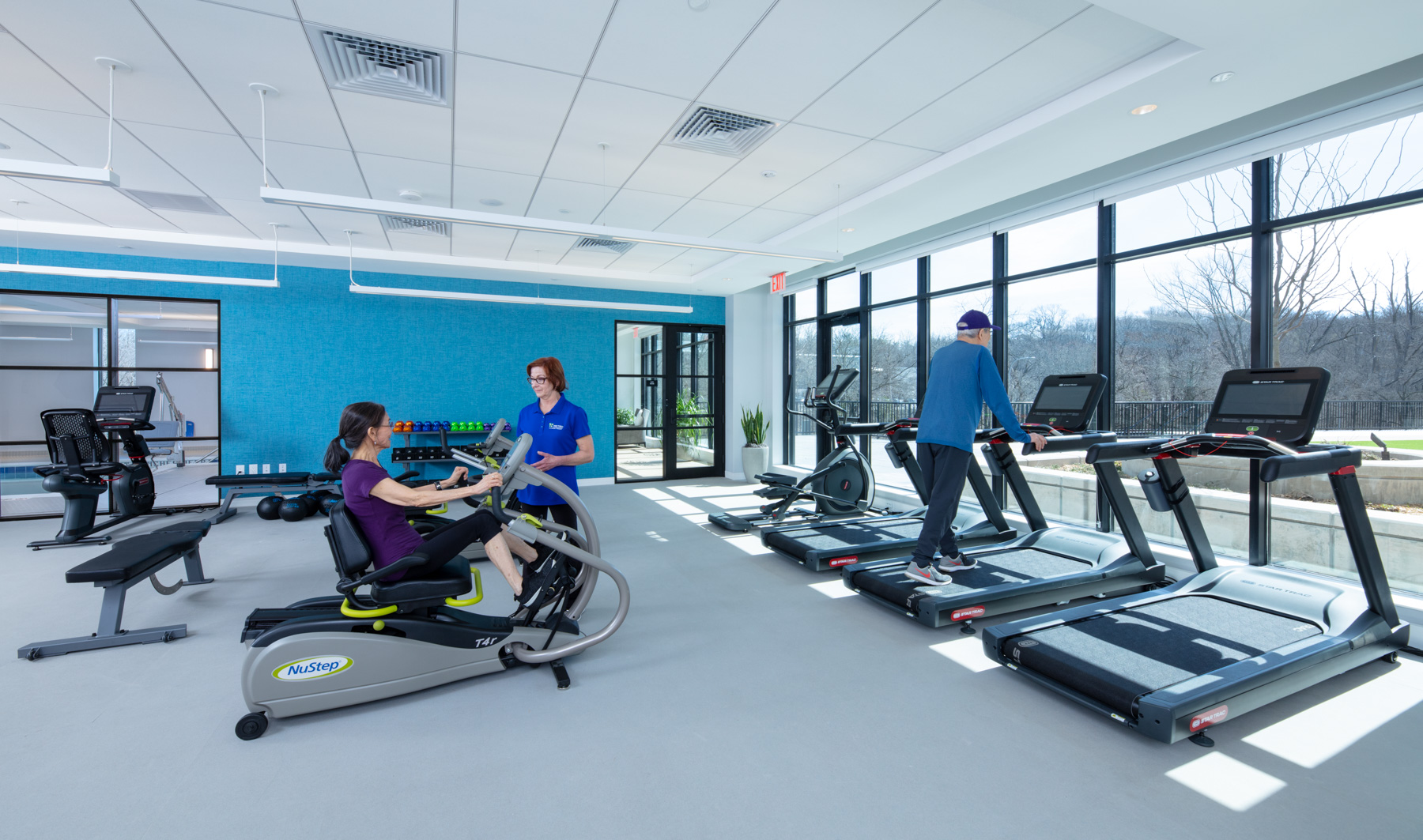
Every rehabilitation journey is unique, but the goal is always the same: helping you get back to your best.
For some, recovery begins in a specialized inpatient setting with extensive, daily therapy. Others may benefit from outpatient programs that provide regular therapy visits several times a week.
If your recovery continues at home, therapy may take place right where you live, allowing you to practice exercises and techniques in your own environment. You might work on balance while navigating your living room or focus on gentle stretches to improve flexibility.
A key aspect of modern rehabilitation is that it should be personalized and tailored to your needs and goals. Motivation is key, and a diligent care team will devote as much attention to encouragement as to physical therapy.
If you ever experience an illness or surgery that requires specialized therapy, our relationship with White Plains-based Burke Rehabilitation gives you access to one of the country’s most respected rehabilitation providers.
Nationally recognized by U.S. News & World Report and Newsweek as a top rehabilitation hopsital, Burke specializes in both inpatient and outpatient care. Burke is known for providing advanced therapies with compassionate, individualized attention. Patients receive several hours of care daily from a team of physicians, nurses, and therapists.
Burke also supports families through its Marsal Caregiver Center, the first and only caregiver center within an acute rehabilitation hospital in the U.S., which serves as an essential resource for families. The center ensures that patients’ loved ones feel supported, heard, and cared for as their loved ones receive Burke’s award-winning care.
“Our goal is to guide patients toward independence, whether that happens here, at home, or in a community like Waterstone,” said Burke Rehabilitation Executive Director, Scott Edelman, MBA, CPA, CFE.
When your inpatient stay ends, Burke’s outpatient rehabilitation therapy program can help you maintain your progress and continue your recovery journey. Our Waterstone team can help coordinate referrals and transportation to one of Burke’s 15 outpatient therapy sites, so you can focus on your recovery with confidence.
Burke offers a comprehensive range of therapeutic programs and specialty services, including physical and occupational therapy, speech, language, and swallowing therapy, cardiac and pulmonary rehabilitation, and concussion management.

FOX Rehabilitation can provide personalized care right at Waterstone of Westchester. Licensed therapists visit you in your apartment or meet you in our fitness center, creating a convenient and familiar environment for therapy.
You might work on walking comfortably to dinner without help or practicing safe movements in your kitchen. You may want to build strength to keep up with your grandchildren. FOX therapists will listen to your preferences and create a tailored plan.
FOX’s clinicians can offer physical, occupational, and speech therapy services and focus on encouragement, education, and practical strategies for daily life.
“Treating a resident in their home environment allows us to provide guidance tailored to their specific needs. This encourages successful carryover of exercises for long-term wellness,” said Jennifer Spears, Regional Director, FOX Rehabilitation
Therapists often become trusted companions in recovery, offering not only expertise but also motivation and genuine support. Some of our residents even attended their therapist’s recent wedding, reflecting the close bonds that can develop from this arrangement.
Even if you do not currently require therapy, there’s so much you can do to stay strong and prevent future setbacks. At Waterstone, we focus on proactive wellness through education.
You can attend workshops hosted by Burke or FOX professionals on topics such as fall prevention, arthritis management, and staying mobile as you age.
“We visit three or four times a year,” says Scott Edelman of Burke. “Our Chief Medical Officer, Dr. Oh-Park, has led sessions on fall prevention and maintaining mobility as we age.”
These educational opportunities help residents stay informed while building trust if rehabilitation is ever needed later.
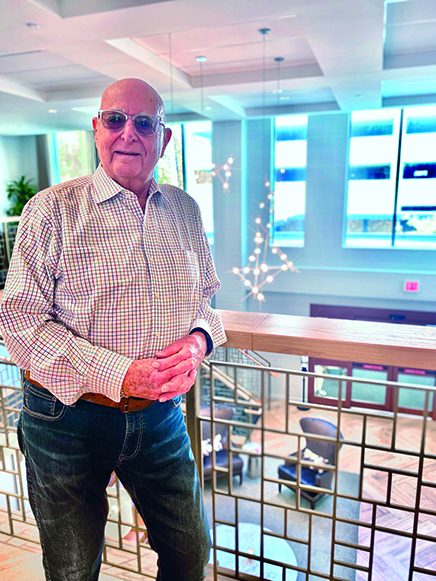
At Waterstone of Westchester, recovery is just the beginning. Once you’ve regained your footing, our lifestyle helps you continue growing stronger.
Every day is an opportunity to live well. You can start your morning with an instructor-led stretch session, join friends for a chef-prepared breakfast, and take part in an afternoon lecture or art class.
You might head out on a cultural outing or meet neighbors for a lively game night. When you build your days from these moments, you’re not just entertaining yourself – you are taking care of yourself, too.
We know personalization and variety are key. What supports one person’s strength or curiosity might look different for another, and that’s why we take great care to provide activity calendars with events for everybody’s tastes.
That belief mirrors the approach of our rehabilitation relationships.
Burke participates in the Age-Friendly Health Systems Initiative, which emphasizes one key question: What matters most to you? Their philosophy ensures that they tailor care to each person’s goals and priorities.
That same idea guides life at Waterstone. From dining and wellness to learning and recreation, your experience here is shaped around what’s most meaningful to you.
FOX Rehabilitation shares a similar focus on personalization, framed through its philosophy of “exchanges of abundance.” Their therapists give time, attention, and encouragement beyond what’s expected.
You can see this philosophy come to life at Waterstone through:
Each of these experiences contributes to a healthy lifestyle, especially if you are going through a rehabilitation journey. At Waterstone, person-centered care becomes person-centered living. You decide what wellness looks like, and we make sure you have the resources and encouragement to achieve it.
At Waterstone, we’re proud of the trusted relationships we’ve built with exceptional local providers. These relationships reflect our ongoing promise to ensure residents have access to quality care and meaningful support whenever it’s needed.
Wherever our communities are located, in Boston, Lexington, Wellesley, or Stamford, we take care to develop similar relationships with local providers who share our values. That’s how we bring the best in wellness, rehabilitation, and personal care directly to those who call Waterstone home.
Schedule a visit to Waterstone of Westchester to discover our approach to wellness and how we look to provide a varied lifestyle to support every resident.