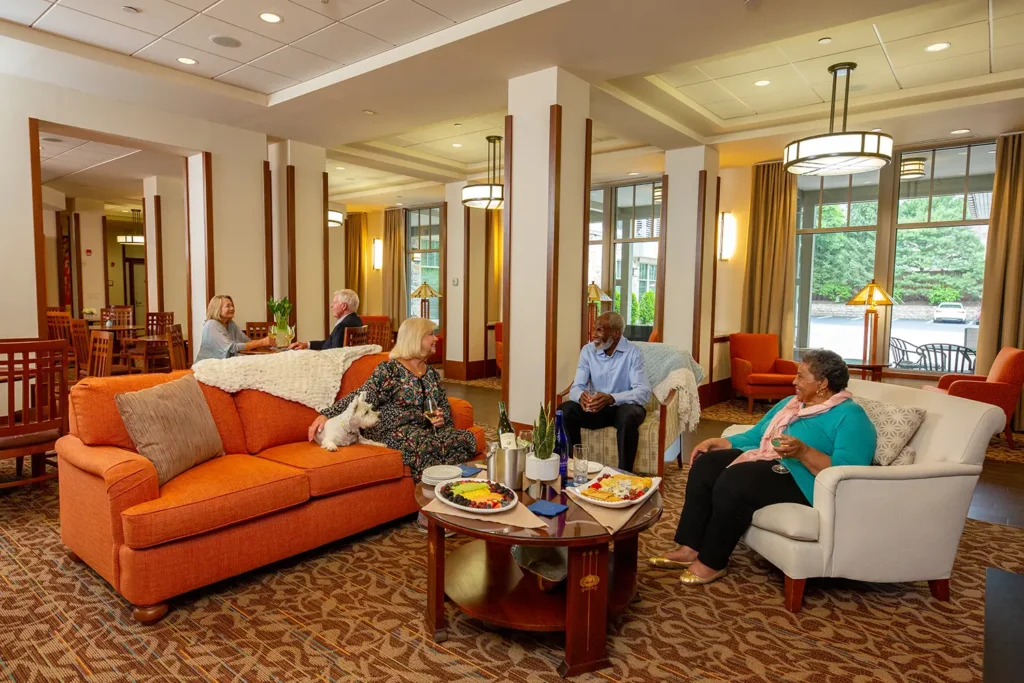
No website, brochure, or review can replace an in-person visit. When you tour a senior living community, you see the space and get a real feel for daily life.
At Waterstone at Wellesley, Senior Advisor Helena sees that shift all the time. People often arrive with questions, hesitation, and plenty of nerves. Once they walk through the community, meet the team, and see life in motion, the next step feels clearer.
“Every person comes in with questions, hesitation, fears and anxieties,” Helena says. “Once they meet our team and see how the community lives and breathes, many feel a shift. It helps them either imagine a life here or decide it’s not for them. That clarity is what we aim for.”
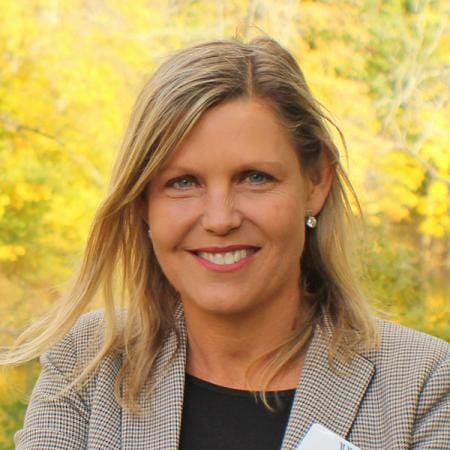
Helena Dias
Senior Advisor at Waterstone Senior Living
Why should you tour a senior living community in person?
A tour gives you something the reviews and photos can’t. You can judge the atmosphere, notice how residents interact, and decide whether the community feels right for you.
You also get answers that matter to everyday life:
- What does the dining experience feel like?
- How do residents spend their time?
- What kind of support can you expect later on?
- Does the community feel warm, active, and welcoming?
- Is the community clean?
At Waterstone at Wellesley, Helena starts with a conversation. She wants to understand the person behind the tour before she starts showing apartments or amenities. She asks about lifestyle, priorities, concerns, and hopes for this next chapter. Then she shapes the visit around those answers.
That means no two tours look the same.
Someone who loves the arts may spend time in the library or attend a program. Someone focused on wellness may explore the pool, sit in on a fitness class, or ask more about yoga and strength training. A chef-prepared lunch often gives guests their first real taste of the lifestyle.
What questions do people ask on a senior living tour?

Many people don’t know where to start. They worry about the move itself, the cost, what daily life looks like, and what the future may hold.
Helena hears questions like these every day:
- How will I downsize to a smaller space?
- What happens if I need more care later?
- What does the monthly cost include?
- Can I still cook?
- Can I walk to shops and amenities?
- Will I fit in?
- Will I lose my independence?
- What is the difference between independent living and assisted living?
Helena welcomes those questions.
“It’s normal to feel uncertain,” she says. “Our job is to listen, talk it through, and help people find answers. Touring gives us a way to have those conversations. We wouldn’t want you to leave with questions unanswered.”
When people can ask questions and receive honest answers, they stop guessing and start imagining what life here could actually look like.
What should you expect from a Senior Advisor?
A Senior Advisor does much more than schedule a tour.
At Waterstone, Helena acts as a guide, a sounding board, and a steady point of contact. She explains living options, answers practical questions, and helps families work through the emotional side of a move. She can also connect people with trusted local professionals who can help with downsizing, home sales, financial planning, and care decisions.
“Sometimes I help someone find a real estate attorney or arrange a visit with a geriatric care manager,” she says. “Other times, I’ve helped pack up clothing or walked through a house with someone who needed support. The job often takes on many different roles.”
That kind of support helps people feel less overwhelmed and more prepared to move forward. It means that those considering a move to Waterstone Senior Living can go to Helena for pretty much anything. If she can’t answer, she’ll point you in the right direction.
What makes the Waterstone experience different?
During a tour, Helena highlights the parts of Waterstone at Wellesley that shape daily life.
That includes:
- a full calendar of lectures, performances, and cultural outings
- chef-prepared dining built around flavor and wellness
- fitness options that include yoga, tai chi, pool time, and strength training
- a community culture shaped by experienced team members and engaged residents
“I’ve been here for years, and many of our team members have too. People feel that sense of continuity and care when they walk through the door.”
Residents also help shape the experience. They share feedback, build relationships with leadership, and take an active role in community life. There is even a committee of residents whose job it is to welcome new residents; check in on them, get them situated, and invite them into community life.
This all gives Waterstone at Wellesley the feel of a living, evolving place rather than a fixed program.
How do tours help people picture life here?
Helena understands that a move to senior living can feel intimidating. She compares it to arriving somewhere new and trying to find your place.
That is why she pays close attention to the details people share. She uses those details to help visitors picture not just the space, but the life they could build here.
She remembers one prospective resident who seemed quiet and unsure during his visit. Then he mentioned that he loved fly fishing. Helena immediately thought of a longtime resident who shared that interest. Before the tour ended, she introduced them.
What started as a quick conversation turned into a lively exchange about rivers, gear, and favorite spots.
“They hit it off right away,” Helena says. “You could see him start to relax.”
He moved in soon after. By then, the two had already planned a fly-fishing trip together. It is a small story, but it says a lot about how Helena listens and how Waterstone builds a connection from the start.
It is also another reminder of how residents shape the experience. If a group of seniors suddenly takes an interest in mahjong, Helena and the team will arrange for a mahjong class or a set time on the schedule to play. If they want, those same fly-fishing enthusiasts can give a presentation to the community to show off their best catches. You will hopefully get a sense of this during the tour experience.
How can you make the most of a senior living tour?
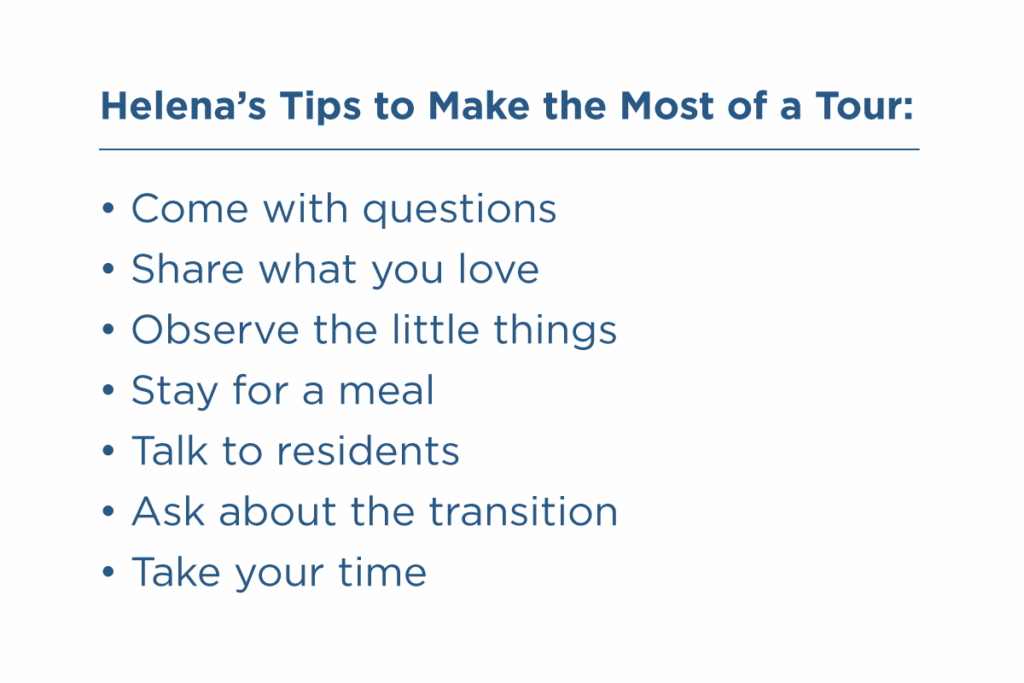
Helena shares a few simple tips to make the most of a senior living tour:
- Take your time. You do not need to decide on the spot.
- Come with questions. Ask about anything that feels unclear.
- Share your interests. That helps the team show you what fits your lifestyle.
- Notice the details. Watch how team members greet residents and how people use shared spaces.
- Stay for a meal. Dining shapes daily life in a major way.
- Talk to residents. Their perspective can tell you a lot.
- Ask about the move itself. Support during the transition matters just as much as amenities.
Above all, Helena encourages you to use her as a resource. It’s her job to demystify anything you don’t understand about the experience at Waterstone Senior Living.
What is the best first step?
For many people, the hardest part is simply getting started.
Helena encourages a phone call first. From there, she can help arrange a visit, invite someone to a class or event, or set up a casual lunch. That first experience often makes the process feel less intimidating and more real.
“There’s no pressure. I just want people to feel what it’s like to be part of the community,” she says. “It can be hard to picture until you’re actually here.”
Touring a senior living community should help you feel informed, supported, and more confident about what comes next. At Waterstone at Wellesley, that is exactly what Helena aims to provide.
Schedule a visit to Waterstone at Wellesley to experience the community in person.
Frequently Asked Questions
What should I look for when touring a senior living community?
Look at the atmosphere, resident engagement, dining, wellness options, apartment layouts, and how team members interact with residents. Pay attention to whether the community feels welcoming and whether you can picture daily life there.
What questions should I ask on a senior living tour?
Ask what the monthly cost includes, what care options are available, how the community supports new residents, what dining is like, what activities residents enjoy, and what happens if your needs change over time. These are general questions, but also try to consider anything unique to you and your circumstances.
How long does a senior living tour take?
Most tours take enough time to explore the community, ask questions, and often share a meal or attend part of a program. The exact timing depends on how much you want to see and discuss.
Why does an in-person tour matter more than a website or brochure?
A tour lets you experience the community firsthand. You can meet residents, observe the pace of daily life, and decide whether the setting feels right in a way that photos and descriptions cannot fully capture.
Can a senior living tour be personalized?
Yes. A strong tour should always reflect your interests and priorities. That may include dining, wellness, cultural programs, location, or future care planning. A good Senior Advisor will personalize the tour for you, but you can play your part too by being clear about your preferences.
Should I talk to residents during a tour?
Yes. Residents can offer honest insight into daily life, including aspects like social activities, dining, programming, and what helped them feel at home. Don’t forget they went through the transition too, so they can relate to how you are feeling.